
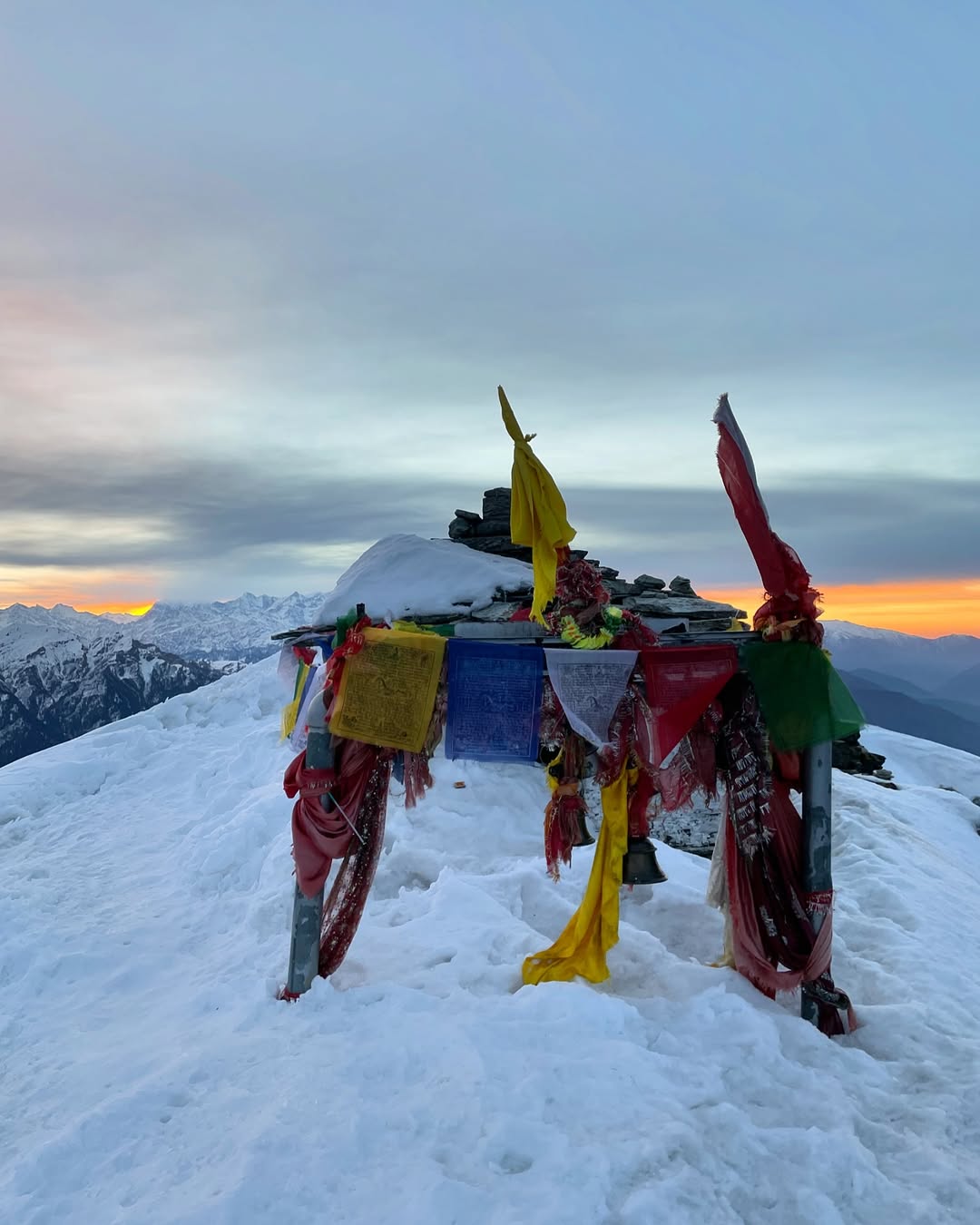
Chopta, often called the “Mini Switzerland of India,” transforms into a breathtaking winter wonderland in January. Nestled in the Garhwal Himalayas, this serene hill destination is famous for snow-covered meadows, dense forests, and trekking trails leading to Tungnath temple and the Chandrashila summit. Knowing the chopta temperature in January is important for planning a safe and enjoyable trip, as the region experiences cold mornings, freezing nights, and frequent snowfall.
Winter in Chopta offers mesmerizing landscapes and ideal conditions for trekking enthusiasts who want to experience the pristine Himalayan snow. Travelers coming for the chopta tungnath trek, chandrashila trek, or just a scenic winter escape should prepare for low temperatures, icy trails, and chilly winds.
This guide will explore average daytime and nighttime temperatures, snowfall patterns, trekking weather, and tips to stay warm during a January visit. Whether planning a solo trek, a family trip, or a guided chopta tour package, understanding the weather conditions will help visitors enjoy the snow-covered trails safely and comfortably.
Average Daytime and Nighttime Temperatures
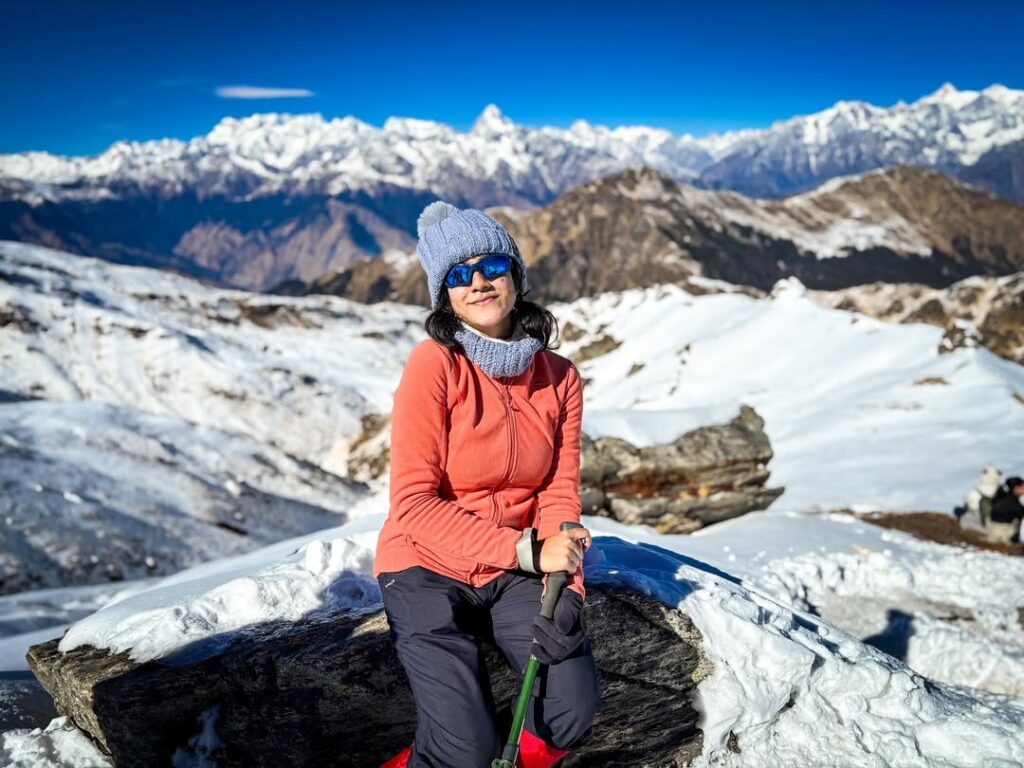
In January, Chopta experiences some of the coldest weather of the year. During the day, temperatures generally range between 2°C and 8°C. These hours are usually the best time for trekking or exploring the area, as the sun provides a bit of warmth and the trails are easier to navigate. Early mornings and late afternoons can still feel chilly, so dressing in layers is recommended even during daytime activities.
Nighttime in Chopta can be extremely cold, with temperatures often dropping below -5°C. In higher altitudes near Tungnath and Chandrashila, the cold can be more intense, and frost or ice may form on trekking paths. Visitors should be prepared with thermal wear, insulated jackets, gloves, and caps to stay comfortable during the night.
Temperature fluctuations are common in January. While the afternoons may feel slightly milder under sunlight, mornings and evenings require extra caution. These temperature patterns also influence the snowfall and ice formation, making the region look like a true winter wonderland. Snow-covered trails, frozen streams, and misty mornings add to the charm but also require careful planning for trekking.
Understanding the chopta temperature in January is important for anyone planning the chopta tungnath trek or chandrashila trek. Proper preparation ensures safety and allows travelers to enjoy the scenic beauty without discomfort. For those taking a chopta tour package, knowing the temperature helps in choosing the right clothing and scheduling activities at the best times of the day.
By keeping the temperature range in mind, visitors can plan their trip efficiently, enjoy snow activities, and experience the Himalayan winter landscape in its full glory .
Snowfall and Winter Conditions
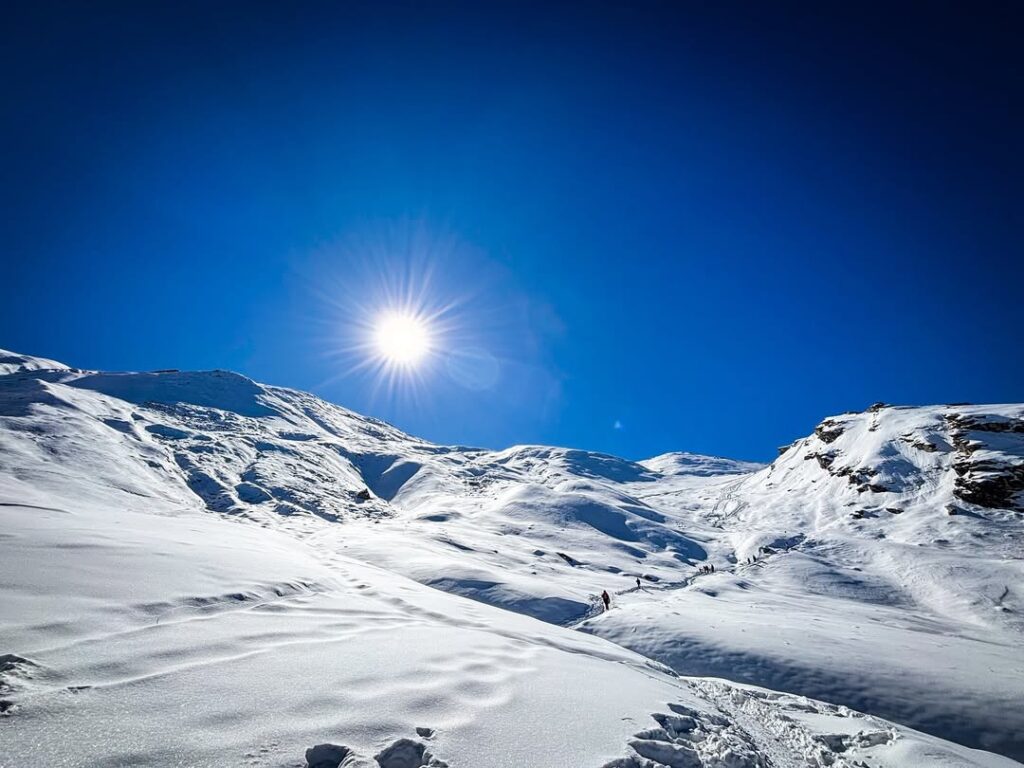
January in Chopta brings heavy snowfall, turning the region into a white winter paradise. Snow covers the meadows, forests, and trekking trails, creating perfect conditions for travelers seeking a winter adventure. The snowfall not only enhances the scenic beauty but also makes trekking an exciting experience. Visitors planning the Chopta Tungnath trek or the Chopta Chandrashila trek can enjoy snow-covered paths and clear mountain views, but should be cautious as icy trails can be slippery.
Many travelers choose a Chopta tour package or Chopta tour packages from Delhi during this season to ensure safety and guidance while exploring snow-laden routes. A guided Chopta Tungnath trek from Delhi helps visitors navigate winter trails confidently, with support for equipment and local insights. Similarly, a Chopta Chandrashila trek from Delhi allows trekkers to experience the summit comfortably, even in snowy conditions.
The Chandrashila summit trek in January offers breathtaking panoramic views of the Himalayas, but early starts are recommended to avoid deep snow and harsh winds. Snow accumulation can affect road accessibility, making pre-booked tours and guided treks an ideal choice. Most Chopta tour packages include transport, accommodation, and trekking assistance, allowing travelers to focus on enjoying the snowy landscapes.
Understanding the snowfall and winter conditions is essential for anyone planning a trip in January. Whether taking a short trek to Tungnath temple or aiming for the Chandrashila summit, proper preparation ensures a safe and memorable experience amidst Chopta’s snow-covered trails. Wanted to know more about snowfall and weather you can check this blog post on Snowfall in Chopta .
Impact on Trekking and Outdoor Activities
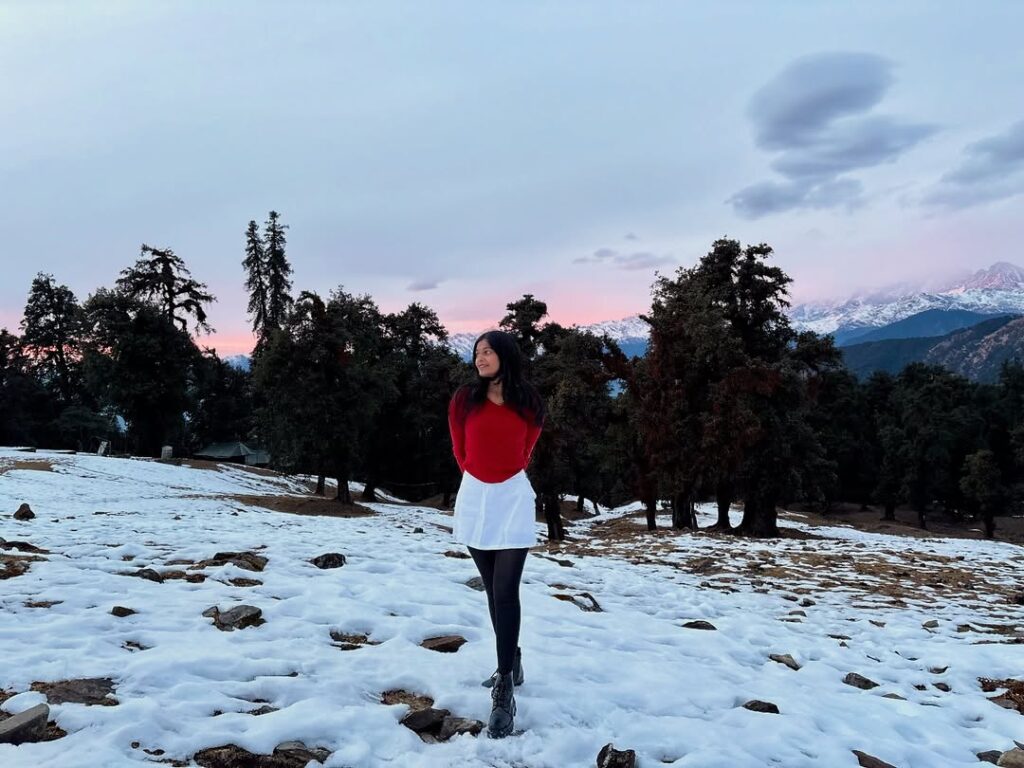
The winter weather in Chopta has a direct impact on trekking and other outdoor activities. Snow-covered trails make the Chopta Tungnath trek and the Chopta Chandrashila trek more challenging but also incredibly scenic. Trekkers must be prepared for slippery paths, cold winds, and low temperatures, especially during early mornings and evenings.
Many visitors prefer booking a Chopta tour package or Chopta tour packages from Delhi to ensure a safe and organized trekking experience. A guided Chopta Tungnath trek from Delhi provides local knowledge, proper gear, and support throughout the route, which is especially helpful in winter conditions. Similarly, a Chopta Chandrashila trek from Delhi offers guidance to reach the summit safely, making the Chandrashila summit trek enjoyable even for first-time trekkers.
The cold weather also affects the timing and pace of treks. Trekkers are advised to start early in the day when daylight provides better visibility on snowy paths. Outdoor activities such as photography, bird watching, and camping require extra precautions, including insulated clothing and warm sleeping gear.
Choosing the right Chopta tour package ensures that all logistics—from transportation to accommodation and trekking support—are managed efficiently. This allows visitors to focus on exploring the natural beauty of the region without worrying about weather-related challenges. Proper planning makes winter treks in Chopta safe, memorable, and visually stunning.
Clothing and Gear Recommendations
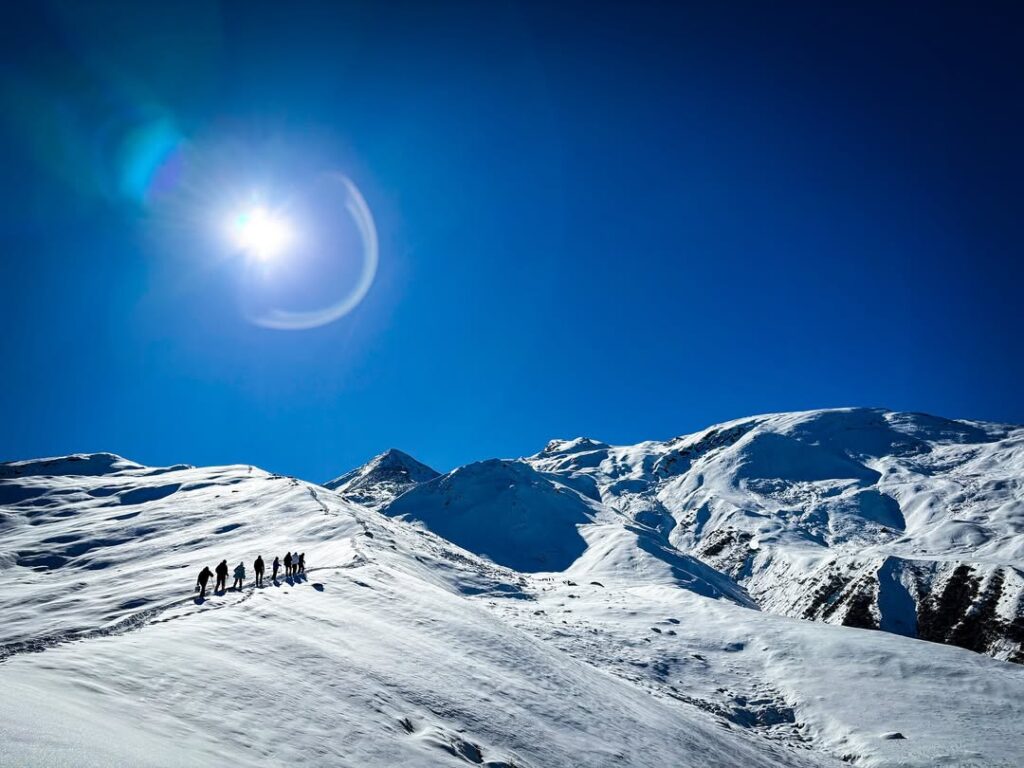
Visiting Chopta in January requires careful planning when it comes to clothing and gear. The cold temperatures and snowfall make proper winter attire essential for a safe and comfortable trek. Layered clothing is recommended, including thermal innerwear, insulated jackets, woolen sweaters, and waterproof outer layers to protect against snow and wind.
For those planning the Chopta Tungnath trek or the Chopta Chandrashila trek, sturdy trekking shoes with good grip are crucial to navigate icy and slippery trails. Gloves, woolen caps, and scarves are necessary to protect extremities from the harsh cold. Trekking poles can also be helpful on steep or icy sections of the Chandrashila summit trek.
Many travelers opt for a Chopta tour package or Chopta tour packages from Delhi because these packages often provide guidance on gear, accommodation, and trekking essentials. A guided Chopta Tungnath trek from Delhi or a Chopta Chandrashila trek from Delhi ensures that trekkers are well-prepared and can enjoy the trails safely.
Backpacks should include warm water bottles, snacks, and emergency supplies. Sunglasses and sunscreen are also recommended, as sunlight reflecting off snow can be intense. Proper clothing and gear not only make the trek safer but also enhance the experience of exploring Chopta’s winter landscape.
By preparing adequately, travelers can fully enjoy the snow-covered meadows, frozen streams, and panoramic Himalayan views while taking part in the Chopta tour package activities or independent trekking adventures.
Planning Your Trip Around January Weather
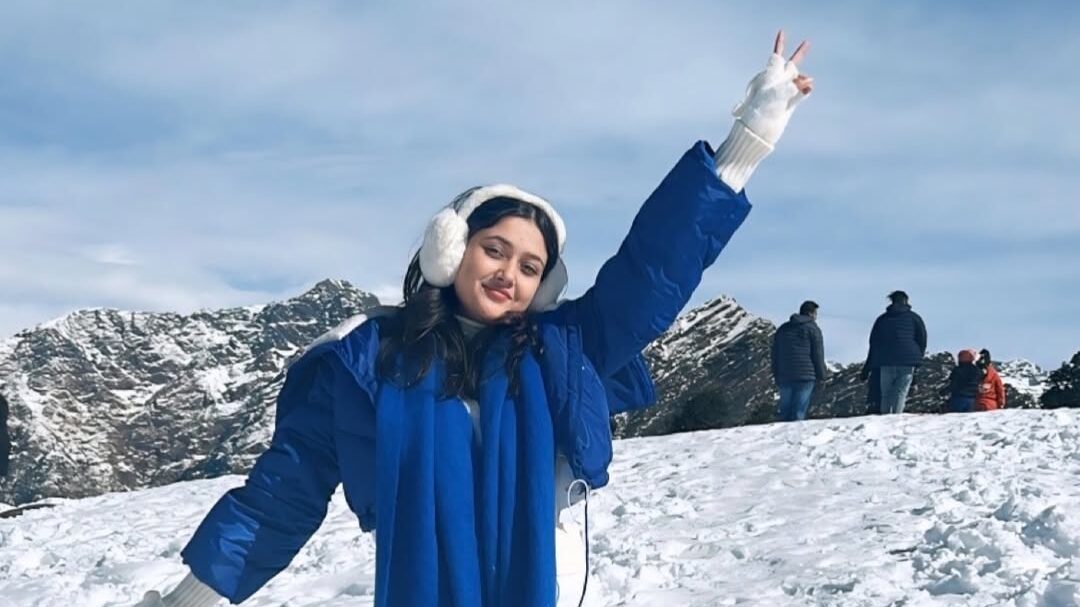
Planning a trip to Chopta in January requires attention to weather conditions, as winter brings snow, low temperatures, and occasional icy trails. Travelers looking to experience the Chopta Tungnath trek or the Chopta Chandrashila trek should schedule their activities during daylight hours when visibility is better and the snow is slightly more manageable.
Many visitors prefer booking a Chopta tour package or Chopta tour packages from Delhi. These packages offer structured itineraries, including transport, accommodation, and trekking guidance, making it easier to navigate winter conditions. For those starting from the capital, a Chopta Tungnath trek from Delhi or a Chopta Chandrashila trek from Delhi ensures smooth travel and well-organized logistics.
When planning your trip, check local weather updates to anticipate snowfall and trail conditions. Roads leading to Chopta may be affected by heavy snow, so pre-booked tours help avoid last-minute challenges. Carry essential winter gear, such as thermal wear, insulated jackets, trekking shoes, and trekking poles, especially if aiming for the Chandrashila summit trek.
Timing your visit is also important. Early mornings are colder and trails can be icy, while afternoons offer slightly warmer temperatures for trekking and sightseeing. Including buffer days in your itinerary can help account for weather-related delays, ensuring a comfortable and enjoyable experience.
By planning around the January weather, travelers can make the most of their Chopta tour package, enjoy the snow-covered landscapes, and safely explore the Tungnath temple, Chandrashila summit, and surrounding Himalayan trails. Proper planning allows visitors to fully experience the magic of Chopta in winter.
Read more: Planning a trip to Chopta in January check out this blog post .
Best Time to Book a Chopta Tour Package
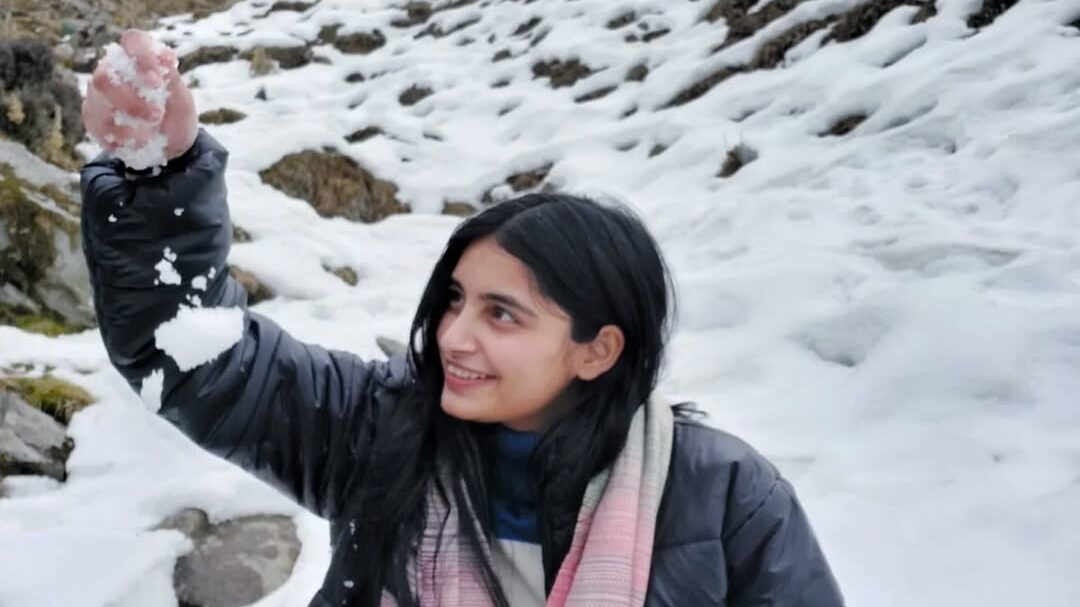
Planning ahead is essential when visiting Chopta in January, as winter brings heavy snowfall and freezing temperatures. Booking a chopta tour package from Delhi in advance not only guarantees accommodations and transportation but also ensures that trekkers receive proper support for their trips. This is particularly important for those attempting the tungnath temple trek, where icy trails and steep inclines can make the trek challenging without guidance and the right equipment.
A well-organized chopta tour package from Delhi often includes meals, trekking gear, local guides, and assistance with navigating snowy trails. For trekkers taking the tungnath temple trek, having a package that provides experienced guides and pre-arranged transport can make the journey significantly safer and more enjoyable. Travelers can focus on enjoying the scenic snow-covered landscapes, rather than worrying about logistics or unpredictable weather.
January is one of the peak months for winter trekking, which means accommodations and trekking slots fill up quickly. Booking early ensures availability for both the tungnath temple trek and the Chandrashila summit trek. Pre-booked packages also allow travelers to select dates with favorable weather conditions, improving the overall experience and reducing risks associated with snow and cold temperatures.
By choosing the right chopta tour package from Delhi, visitors can take full advantage of the winter beauty of Chopta, enjoy a safe and well-planned tungnath temple trek, and comfortably reach the Chandrashila summit. Proper planning provides peace of mind, allowing trekkers to focus entirely on the adventure, the snowy trails, and the breathtaking Himalayan views that make Chopta a top winter destination .
Faqs For Chopta
1. What is the average temperature in Chopta in January?
The average daytime temperature ranges from 2°C to 8°C, while nighttime temperatures can drop below -5°C, especially at higher altitudes near Tungnath and Chandrashila.
2. Does Chopta receive snowfall in January?
Yes, January is one of the peak months for snowfall in Chopta, covering trails, meadows, and forests in white snow.
3. Is it safe to trek in Chopta in January?
Yes, trekking is possible, but proper gear and guidance are essential due to icy trails and cold temperatures. Booking a chopta tour package from Delhi is recommended for safety.
4. What clothing should I wear for Chopta in January?
Layered clothing, thermal innerwear, insulated jackets, gloves, caps, and waterproof outerwear are necessary to stay warm during treks.
5. What is the best way to reach Chopta in winter?
Most travelers prefer road travel from Delhi or nearby cities. Pre-booked chopta tour packages from Delhi often include transport for convenience.
6. Can I do the Tungnath temple trek in January?
Yes, the tungnath temple trek is possible in January, but snow and ice make the trails challenging, so guided treks are recommended.
7. How difficult is the Chandrashila summit trek in January?
The Chandrashila summit trek is moderate but can be tough in snowy conditions. Early morning starts and trekking poles are recommended for safety.
8. Are accommodations available in Chopta during January?
Yes, but bookings fill up fast due to winter tourism. Pre-booking through a chopta tour package from Delhi is advised.
9. What is the duration of the Tungnath temple trek in January?
The trek typically takes 4–5 hours to reach Tungnath from Chopta, depending on snow conditions and pace.
10. Is Chopta tour package from Delhi worth it in January?
Yes, it provides transport, accommodation, trekking guidance, and safety support for winter treks like the tungnath temple trek.
11. Do roads to Chopta remain open in January?
Roads are generally accessible but can be affected by snowfall. A tour package ensures safe travel arrangements.
12. Can beginners attempt the Tungnath temple trek in January?
Yes, with proper guidance from a chopta tour package from Delhi, beginners can safely complete the trek.
13. How much snow can I expect in Chopta in January?
Snowfall varies yearly, but most trails, including those for the tungnath temple trek, are covered in several inches of snow.
14. Are guided treks necessary in January?
Guided treks are highly recommended for safety and navigation on snowy trails.
15. What is the best time of day for trekking in January?
Late mornings to early afternoons are ideal, as sunlight warms the trails and visibility is better.
16. Can I combine Chopta and Auli trips in January?
Yes, some chopta tour packages from Delhi offer combined itineraries including Auli for skiing and winter activities.
17. Are there any health precautions for trekking in January?
Yes, carry warm water, avoid prolonged exposure to cold, and wear insulated clothing to prevent hypothermia or frostbite.
18. Is photography possible in January?
Absolutely, snow-covered landscapes, sunrise over the Himalayas, and Tungnath temple provide stunning photography opportunities.
19. How long should I plan for a Chopta trip in January?
A 3–4 day trip is ideal to complete the tungnath temple trek, Chandrashila summit trek, and enjoy the snow safely.
20. Can I book a Chopta tour package from Delhi for a winter trek?
Yes, several travel operators provide winter packages that include transport, accommodation, trekking guidance, and meals for January trips.