
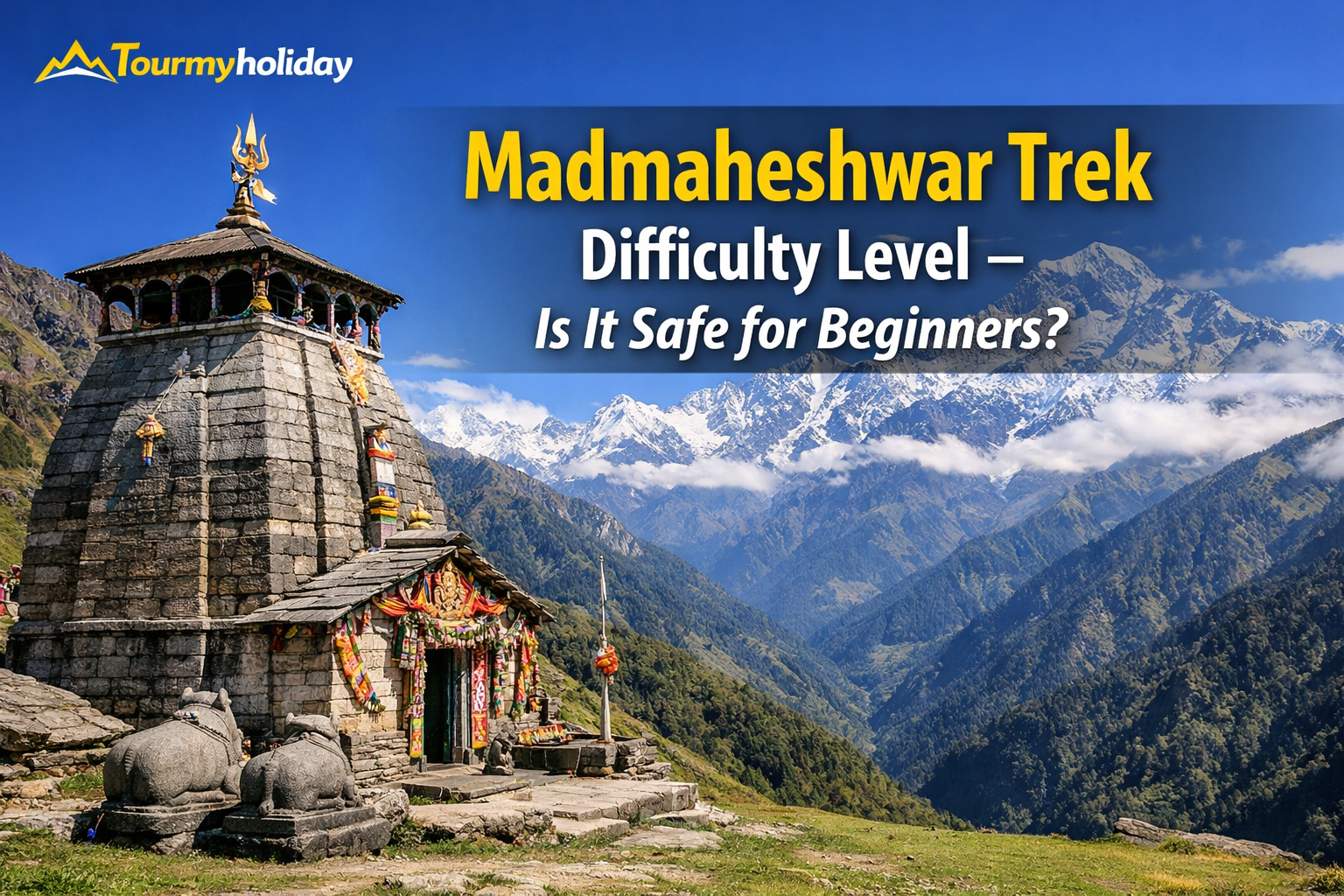
If you’ve been searching for a trek that gives you jaw-dropping Himalayan views, a spiritual experience, and a real sense of adventure — Madmaheshwar Trek might already be on your list. But one question that almost every first-timer asks is: “Is Madmaheshwar Trek safe for beginners?”
The honest answer? It depends. And in this guide, we’re going to break it all down — the difficulty level, the trail conditions, what kind of fitness you need, and whether a complete beginner can safely attempt this trek.
Let’s get into it.
What Is the Madmaheshwar Trek?
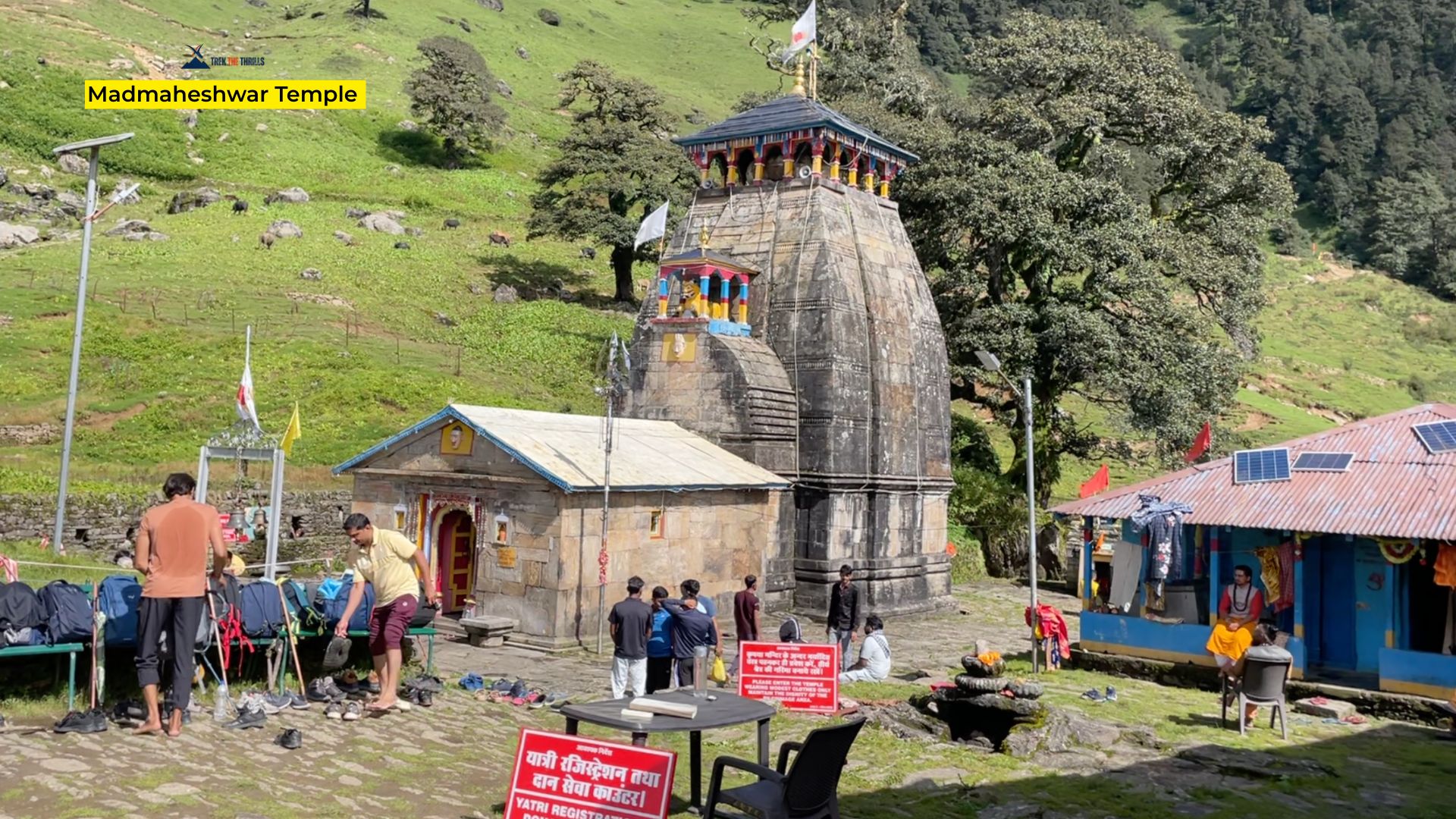
The Madmaheshwar Trek is a high-altitude trek located in the Rudraprayag district of Uttarakhand, India. It is part of the Panch Kedar pilgrimage circuit — a group of five sacred Shiva temples in the Garhwal Himalayas. Madmaheshwar temple is dedicated to the navel (nabhi) of Lord Shiva.
The trek starts from Ransi village, which is about 24 km from Ukhimath. The total trek distance is roughly 24 km one way, and the highest point you reach is the Madmaheshwar temple at 3,497 meters (11,473 feet) above sea level.
This trek is famous not just for its spiritual importance but also for the panoramic views of peaks like Kedarnath, Chaukhamba, Neelkanth, and Kedardome. The beautiful bugyals (alpine meadows) and dense forests of oak and rhododendron make it one of the most scenic treks in Uttarakhand.
If you want a hassle-free trekking experience with transport, accommodation, and guides included, you can explore our Madmaheshwar Tour Package for a well-planned Himalayan journey.

Madmaheshwar Trek Difficulty Level – The Real Picture
Most trekking websites categorize the Madmaheshwar Trek difficulty level as Moderate. But what does “moderate” actually mean on the ground?
Here’s a clear breakdown:
| Parameter | Details |
|---|---|
| Trek Grade | Moderate |
| Total Distance | ~24 km (one way) |
| Maximum Altitude | 3,497 m (11,473 ft) |
| Trek Duration | 5 to 7 days |
| Best Season | May–June and September–November |
| Starting Point | Ransi Village |
The trail involves long walking hours — usually 6 to 8 hours per day during the main trekking days. There are steep ascents, especially near Bantoli and Kharchkund. The paths can be narrow and slippery, especially if you’re trekking post-monsoon when the grass is wet.
So while this isn’t an “extreme” or “very difficult” trek, it’s also not a weekend walk in the park. It sits comfortably in the moderate range — meaning you need some preparation but don’t need to be a professional mountaineer.
You should also check the best time to visit Madmaheshwar Temple to enjoy clear mountain views and pleasant trekking conditions.
Is the Madmaheshwar Trek Safe for Beginners?
Yes — but with conditions.
A complete beginner with zero trekking experience can do the Madmaheshwar Trek, but only if they:
- Train physically for at least 4–6 weeks before the trek
- Go with an experienced guide or a reputed trekking organization
- Trek during the recommended season (not during heavy monsoon)
- Acclimatize properly and don’t rush the altitude gain
- Carry the right gear
Many first-time trekkers have successfully completed this trek with proper preparation. The key word is preparation. Beginners who show up without training often struggle — not because the trek is technically impossible, but because the long days and altitude can be exhausting without a base level of fitness.
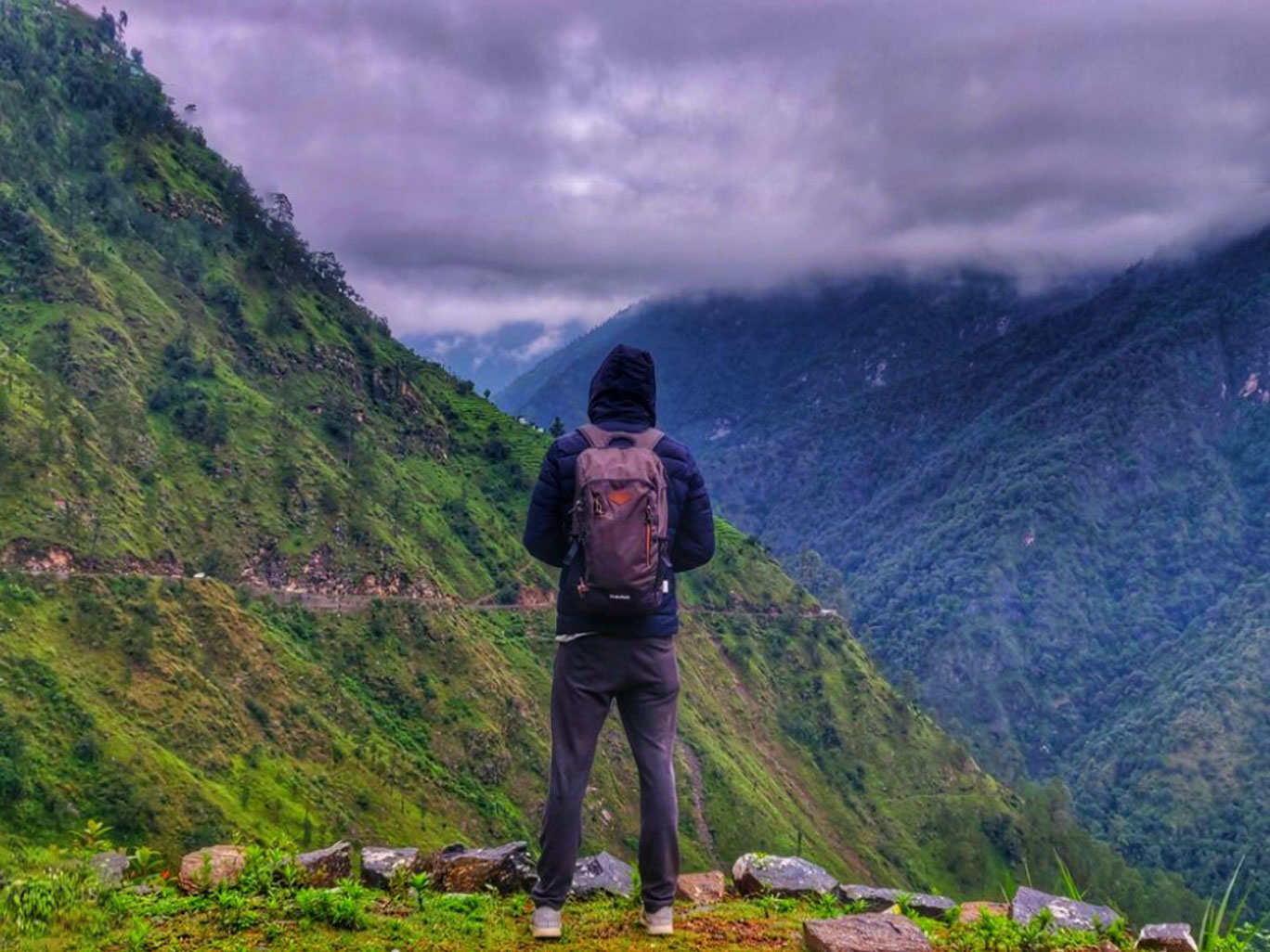
Who Should Attempt the Madmaheshwar Trek?
Great For:
- First-time high-altitude trekkers who have been physically active
- People with some experience of day hiking or trekking
- Adventure lovers who want to combine spirituality with nature
- Families with physically fit teenagers or adults (children under 12 not recommended)
Think Twice If You:
- Have never walked more than 5 km at a stretch
- Have heart conditions, severe asthma, or altitude sickness history
- Are trekking during peak monsoon (July–August) without professional guidance
- Are not willing to prepare at least 4–5 weeks in advance
Understanding the Madmaheshwar weather and climate guide will help you pack properly and stay safe during the trek.
Day-by-Day Trek Itinerary (Standard 6-Day Plan)
Understanding the daily itinerary helps you gauge the difficulty better.
Day 1: Ransi to Bantoli (5 km | ~4–5 hrs)
This is the easiest day. The trail begins at Ransi (1,800 m) and goes through dense forests. The gradient is gentle. A good warm-up day for beginners.
Day 2: Bantoli to Kharchkund (6 km | ~5–6 hrs)
This is where it gets more serious. The trail climbs steadily. You pass through rhododendron and oak forests. The views start opening up. Moderate effort required.
Day 3: Kharchkund to Madmaheshwar Temple (7 km | ~6–7 hrs)
The most challenging day of the trek. Long ascent to the Madmaheshwar bugyals and then to the temple at 3,497 m. The final stretch can be tiring. Altitude effect may be felt here.
Day 4: Madmaheshwar – Explore and Rest
Visit the temple, spend time at the Upper Madmaheshwar lake, and soak in the spectacular views of Kedarnath and Chaukhamba peaks. A rest/acclimatization day.
Day 5: Madmaheshwar to Bantoli (descend)
Descending is easier on the lungs but harder on the knees. Use trekking poles.
Day 6: Bantoli to Ransi and drive back
Final descent back to the starting point.
you want a detailed day-by-day plan, this Madmaheshwar trek itinerary guide will help you organize your travel schedule.
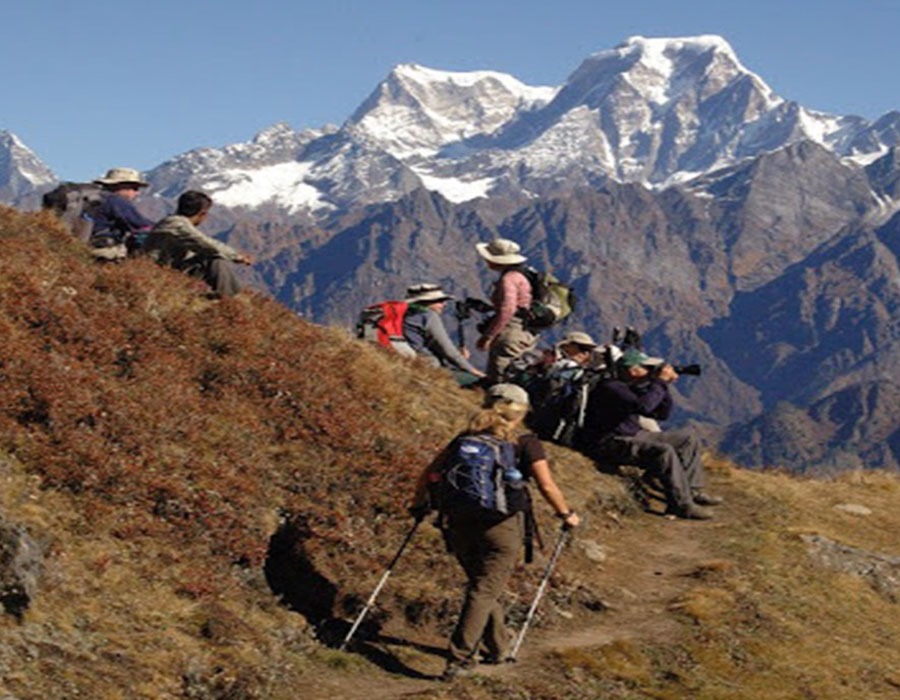
Madmaheshwar Trek – Key Challenges You Should Know
Even though this is a moderate trek, beginners should be aware of a few challenges:
1. Altitude and Altitude Sickness
At 3,497 meters, altitude sickness is a real possibility — especially if you ascend too quickly. Symptoms include headache, nausea, dizziness, and fatigue. If you experience these, descend immediately and consult your guide.
Prevention tips:
- Stay hydrated (drink 3–4 liters of water daily)
- Ascend slowly — follow the “climb high, sleep low” principle
- Avoid alcohol during the trek
- Carry basic altitude sickness medicines like Diamox (only after consulting a doctor)
2. Long Walking Hours
Walking 6–8 hours a day for multiple days in a row can be exhausting if you’re not used to it. Your legs and feet will take a beating. Proper trekking shoes with ankle support are non-negotiable.
3. Weather Unpredictability
In the Himalayas, weather can change quickly. Even in May or October, temperatures can drop significantly at night (below 5°C near the temple). Rain and sudden cloud cover are common. Always carry a rain cover, warm layers, and a good sleeping bag.
4. Remote Trail with Limited Medical Facilities
Once you’re past Ukhimath, there are no hospitals close by. Medical emergencies must be handled through evacuation. This is why going with a certified trekking company or guide is strongly recommended for beginners.
Physical Training Plan for Beginners (4–6 Weeks Before Trek)
Here’s a simple training plan that works:
Weeks 1–2: Build a Base
- Walk 5–7 km daily at a brisk pace
- Add light jogging (20–30 minutes, 3–4 times a week)
- Begin stair climbing
Weeks 3–4: Build Stamina
- Increase walking distance to 10–12 km
- Include uphill walks or incline treadmill sessions
- Add strength training: squats, lunges, planks
Weeks 5–6: Simulate Trek Conditions
- Do a day hike of 15+ km with a backpack (8–10 kg)
- Practice back-to-back walking days
- Rest, recover, and eat well before departure

Essential Gear Checklist for Madmaheshwar Trek
Here’s what every beginner must carry:
- Trekking shoes (waterproof, ankle support)
- Trekking poles (highly recommended for beginners)
- Warm layering (thermal inner, fleece, windcheater/down jacket)
- Rain gear (poncho or rain jacket + bag rain cover)
- Sleeping bag (rated to -5°C or lower)
- Headlamp with extra batteries
- First aid kit (include ORS, Diamox, blister care)
- Sunscreen (SPF 50+) and UV-protection sunglasses
- Reusable water bottle or hydration bladder
- High-calorie snacks (energy bars, dry fruits, nuts)
- Trekking permit (arranged through your trekking agency)
Best Season for Madmaheshwar Trek
Timing plays a huge role in how safe and enjoyable your trek will be.
| Season | Months | Conditions |
|---|---|---|
| Summer (Best) | May – June | Pleasant weather, clear skies, wildflowers |
| Monsoon (Avoid) | July – August | Heavy rain, landslide risk, leeches on trail |
| Autumn (Best) | September – November | Crystal clear views, stable weather, less crowded |
| Winter (Closed) | December – April | Temple closed, heavy snowfall, inaccessible |
For beginners, May–June or late September–October are the safest and most enjoyable windows.
Madmaheshwar Trek with a Guide vs Solo
For beginners, going solo is not recommended. Here’s why:
- Trail markings can be unclear in fog or rain
- You won’t know the signs of altitude sickness until it’s serious
- Guides know the terrain, weather patterns, and emergency routes
- Many trekking operators provide porters, meals, and camping gear — reducing your load and stress
Hiring a certified local guide from Ukhimath or Ransi (or booking through a FIATA/IMF-affiliated trek operator) is the smartest move for first-timers.
Real Trekker Experiences
Trekkers who’ve done Madmaheshwar Trek consistently share three things:
- The bugyal views near the temple are unforgettable — the open meadows surrounded by snow-capped peaks feel surreal.
- The spiritual atmosphere at the temple is powerful — even non-religious trekkers feel moved.
- The trek is tough but absolutely worth it — most beginners say it changed how they think about their own physical limits.
This trek has a way of building confidence. Many people who complete Madmaheshwar go on to tackle more difficult treks like Kedarkantha or Roopkund. It’s a perfect stepping stone.
Travelers looking for a complete itinerary can check out our Madmaheshwar Tour Package from Delhi, designed to make the trek comfortable and well organized.
Final Verdict: Is Madmaheshwar Trek Good for Beginners?
Yes — with the right preparation.
The Madmaheshwar Yatra 2026 is one of the best moderate-level treks in Uttarakhand for people who want to step up from easy hiking. It’s not the easiest trek, but it’s not impossible for a fit beginner either.
What you need is:
- ✅ 4–6 weeks of physical preparation
- ✅ Proper gear
- ✅ An experienced guide or trek operator
- ✅ Right season (May–June or Sept–Oct)
- ✅ Respect for the mountain and its conditions
With all these in place, Madmaheshwar can be one of the most rewarding experiences of your life — both as a trek and as a spiritual journey.
So, are you ready to take on the Navel of Shiva?
Frequently Asked Questions (FAQs)
Q1. What is the total distance of Madmaheshwar Trek? The total one-way distance is approximately 24 km from Ransi village to Madmaheshwar temple.
Q2. How many days does the Madmaheshwar Trek take? It usually takes 5 to 7 days, including travel days from Rishikesh or Haridwar.
Q3. Is Madmaheshwar Trek open in winter? No. The temple and trek route are closed from December to April due to heavy snowfall.
Q4. Do I need a permit for Madmaheshwar Trek? Yes, trekking permits are required and are usually arranged through your trekking agency.
Q5. Can I do Madmaheshwar Trek alone without a guide? It’s not recommended for beginners. A certified guide significantly improves safety and navigation.
Q6. What is the nearest airport to the Madmaheshwar Trek? Jolly Grant Airport in Dehradun is the nearest airport, about 200+ km from Ukhimath.