
Pilgrimage & Trekking Guide | Uttarakhand, India | Best Time: May–June & Sep–Oct | Duration: ~14–20 Days
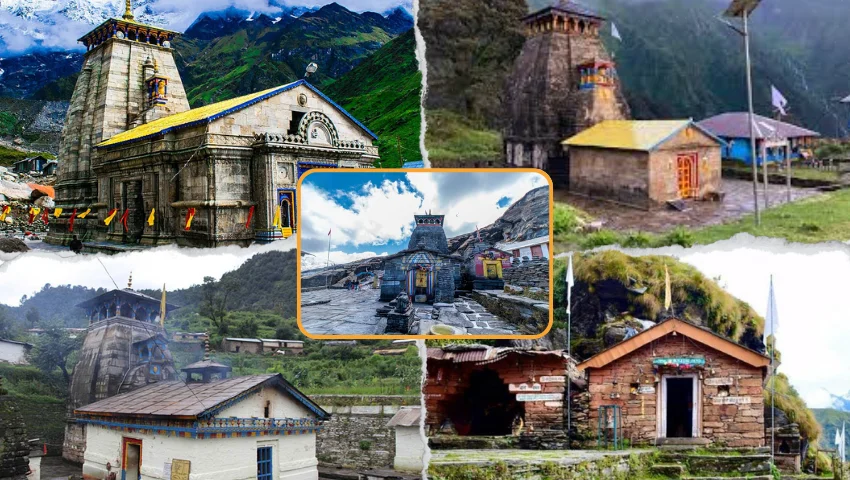
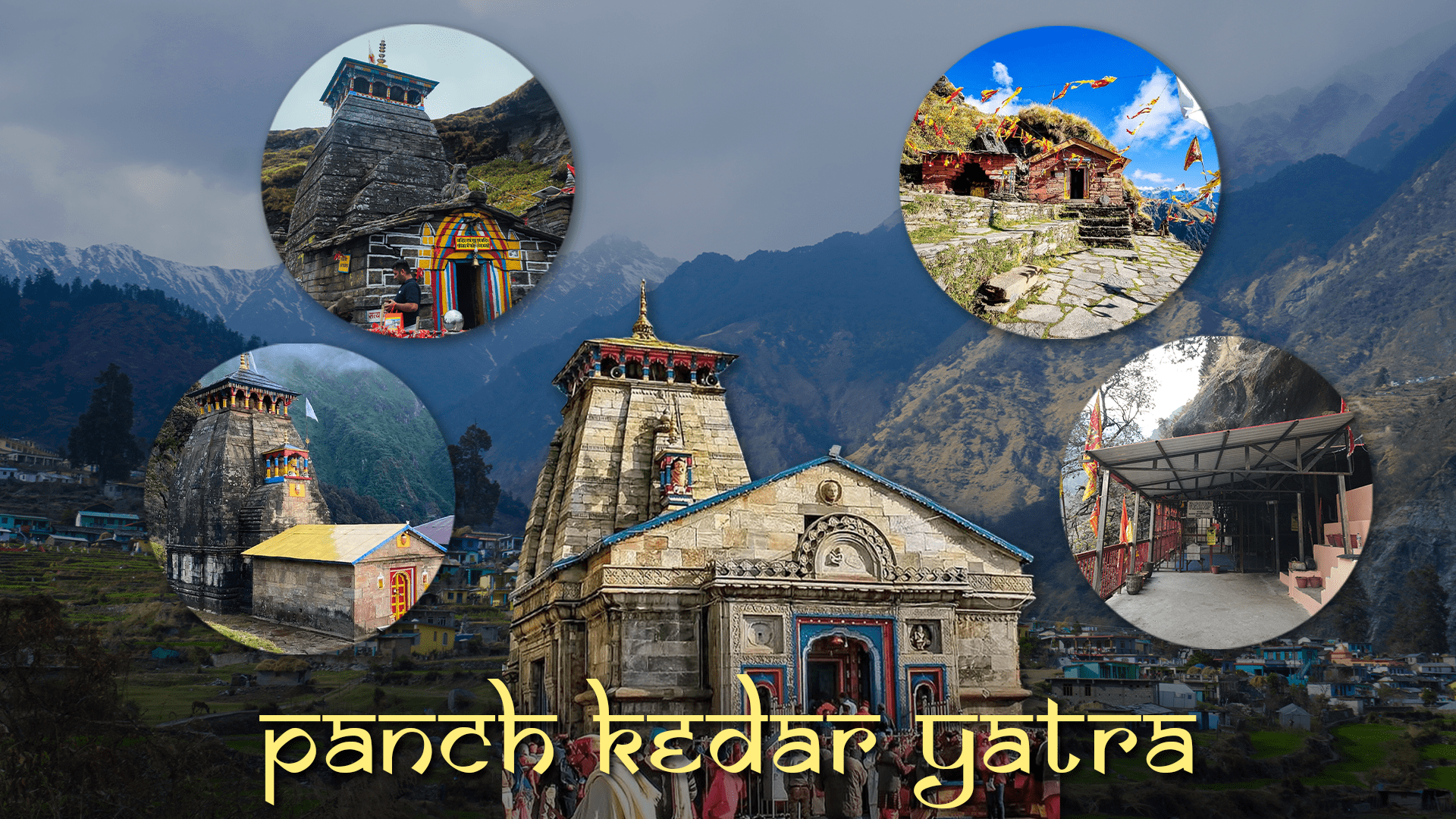
Nestled in the lap of the Garhwal Himalayas, the Panch Kedar yatra is one of India’s most revered and physically demanding pilgrimages — a journey that takes devoted seekers through some of the most breathtaking high-altitude terrain on Earth, visiting five ancient temples where Lord Shiva is said to have appeared as a buffalo.
If you are planning a Panch Kedar tour package, this guide covers everything you need — spiritual significance, trekking routes, the best time to visit, estimated costs, and practical travel tips — crafted for both first-time pilgrims and experienced Himalayan trekkers.

What is Panch Kedar? The Sacred Legend
“Panch” means five in Sanskrit, and “Kedar” refers to Lord Shiva in his primordial form. The Panch Kedar pilgrimage consists of five temples dedicated to Shiva, each enshrining a different part of the divine buffalo form. According to the Mahabharata, the Pandavas sought Shiva’s blessings to atone for the sin of killing their kin in the Kurukshetra war. Shiva, wishing to avoid them, disguised himself as a buffalo and submerged into the earth. Different body parts surfaced at five distinct locations across the Garhwal Himalayas — and a temple was built at each site.
This mythological origin gives the Panch Kedar yatra its profound spiritual weight. Completing all five shrines in a single circuit is believed to grant moksha (liberation from the cycle of rebirth) and wash away the sins of countless lifetimes.
The Five Sacred Shrines of Panch Kedar
1. Kedarnath Temple — The Hump of the Divine Bull Altitude: 3,583 m | Trek: 16 km from Gaurikund
The most famous of all five, Kedarnath, is dedicated to Shiva’s hump. This ancient stone temple — believed to be over 1,000 years old — stands against the majestic backdrop of the Kedarnath peak and Chorabari Glacier. It is part of the revered Char Dham circuit and draws millions of devotees every season. The Kedarnath trek is manageable for most pilgrims, with mule and helicopter services available.
2. Tungnath Temple — The Arms of Shiva Altitude: 3,680 m | Trek: 3.5 km from Chopta
The highest Shiva temple in the world, Tungnath Temple, enshrines the arms of Lord Shiva. Located above the popular meadow town of Chopta, this temple rewards trekkers with sweeping panoramic views of Nanda Devi, Trisul, and Kedarnath peaks. The relatively short and scenic trail makes it one of the most accessible stops on the Panch Kedar circuit.
3. Rudranath Temple — The Face of Shiva Altitude: 2,286 m | Trek: 20 km from Sagar Village
The most challenging shrine on the Panch Kedar circuit, Rudranath, is where Shiva’s face (mukha) emerged. Set amid rhododendron forests and alpine meadows, the trail to Rudranath is wild, lonely, and spectacularly beautiful. Few pilgrims complete this leg, making it a rare and deeply spiritual experience for those who do.
4. Madhyamaheshwar Temple — The Navel of Shiva Altitude: 3,497 m | Trek: 24 km from Ransi Village
Enshrining the navel (nabhi) of Shiva, Madhyamaheshwar sits in one of Uttarakhand’s most pristine valleys — a vast alpine meadow surrounded by towering Himalayan peaks. The trek passes through dense forests, cascading waterfalls, and remote shepherd camps. It is a favourite among serious trekkers for its unspoiled natural grandeur.
5. Kalpeshwar Temple — The Matted Hair of Shiva (Jata) Altitude: 2,200 m | Trek: 2 km from Urgam Village
The only Panch Kedar temple that remains open throughout the year, Kalpeshwar, houses the matted locks (jata) of Lord Shiva. Situated in the serene Urgam Valley near Helang, off the Chamoli-Joshimath road, this temple is the most accessible of the five. The walk through a natural cave to reach the deity makes it uniquely atmospheric.

Best Time to Visit for Panch Kedar Yatra
Choosing the right season is the single most important factor in planning a Panch Kedar tour package.
May to June (Pre-Monsoon): Ideal months. Trails are snow-free, the weather is pleasant, rhododendrons bloom, and all five temples are open. This is peak season — book your Panch Kedar package well in advance.
September to November (Post-Monsoon): Equally beautiful, with clear skies, stunning Himalayan views, and far fewer crowds. Ideal for photography and peaceful trekking.
Monsoon (July–August): Not recommended. Heavy rains cause landslides, leech-infested trails, and dangerous river crossings throughout the Garhwal region.
Winter (November–April): Most temples close after Diwali. Kalpeshwar remains open year-round. The upper reaches receive heavy snowfall.
Recommended Panch Kedar Route & Itinerary (14 Days)
Day 1–2: Haridwar / Rishikesh → Gaurikund. Travel by road via Rudraprayag and Sonprayag. Attend Ganga Aarti before departure.
Day 3–4: Gaurikund → Kedarnath → Gaurikund. Trek 16 km uphill to Kedarnath Temple. Attend morning and evening puja. Return the next day or take the helicopter back.
Day 5–7: Ukhimath / Ransi → Madhyamaheshwar → Back. Drive via Ukhimath to Ransi village. Trek 24 km through Bantoli and Nala to reach Madhyamaheshwar. Overnight stay at the temple.
Day 8–10: Mandal / Sagar → Rudranath → Back. The most remote leg of the circuit. Trek 20 km through dense forests from Sagar village. Requires good physical fitness.
Day 11–12: Chopta → Tungnath → Chopta. A short 3.5 km trek to the world’s highest Shiva temple. Ideal for acclimatisation and panoramic Himalayan views.
Day 13: Helang → Kalpeshwar → Joshimath. Drive to Urgam Valley. A gentle 2 km walk through a natural cave leads to Kalpeshwar — the peaceful finale of the full Panch Kedar circuit.
Day 14: Joshimath → Rishikesh / Haridwar. Return journey by road. Optional stop at Badrinath or Devprayag Sangam.
Panch Kedar Package Cost: What to Expect
The cost of a Panch Kedar yatra package varies based on travel mode, accommodation type, and inclusions:
- Budget Package: ₹18,000 – ₹25,000 per person (guesthouses, shared transport)
- Mid-Range Package: ₹30,000 – ₹50,000 per person (standard hotels, private vehicle, meals)
- Premium Package: ₹60,000 – ₹1,20,000 per person (deluxe camps, helicopter, personal guide)
- Kedarnath Helicopter (one way): ₹4,500 – ₹8,000
- Pony / Palki at Kedarnath: ₹2,500 – ₹4,000
- Porter (per day): ₹700 – ₹1,200
Always confirm what is included in your Panch Kedar trekking package — accommodation, transport, guide, permits, and meals should ideally be part of the deal.
How to Reach the Panch Kedar Circuit
By Air: Nearest airport is Jolly Grant Airport, Dehradun (20 km from Rishikesh). Direct flights from Delhi, Mumbai, and Bengaluru. Taxis and cabs available to Rishikesh and Haridwar.
By Train: Haridwar and Rishikesh railway stations are well-connected to Delhi, Mumbai, Lucknow, Kolkata, and Varanasi. Trains like the Shatabdi Express (Delhi–Haridwar) are comfortable options.
By Road: National Highway 7 connects Haridwar and Rishikesh with Garhwal’s interior. State buses and private taxis operate between Rishikesh, Rudraprayag, Joshimath, Chopta, Ukhimath, and Helang.
Essential Travel Tips for Panch Kedar Yatra
- Register for Char Dham Yatra: Registration is mandatory for Kedarnath. The Uttarakhand Tourism portal allows online pre-registration.
- Acclimatise properly: Spend at least one day in Rishikesh before heading to higher altitudes. Acute Mountain Sickness (AMS) is a real risk above 2,500 metres.
- Pack for all seasons: Temperatures at Tungnath and Kedarnath can dip below 5°C at night even in May. Carry waterproof layers, trekking poles, and quality boots.
- Hire a licensed guide: Routes to Rudranath and Madhyamaheshwar pass through unmarked terrain. A local guide is strongly recommended for safety.
- Carry cash: ATMs are scarce beyond Joshimath and Ukhimath. Always carry sufficient Indian rupees on the trail.
- Respect temple customs: Remove footwear before entering. Leather items are generally not permitted inside the shrine sanctums. Dress modestly.
- Book accommodation early: During peak season, rooms near Kedarnath, Chopta, and Ukhimath fill up weeks in advance.
- Get travel insurance: Choose a policy covering high-altitude trekking and emergency helicopter evacuation.
Why Choose a Complete Panch Kedar Tour Package?
A structured, complete Panch Kedar tour package handles all the logistical complexity — coordinating transport between five remote trailheads, securing permits, arranging experienced mountain guides, booking accommodation, and building buffer days for unpredictable weather. This allows pilgrims to focus entirely on the spiritual experience rather than the logistics.
For families with elderly members or children, packages with helicopter options for Kedarnath and mule arrangements for Tungnath make the yatra physically accessible without compromising its sanctity. Premium packages also offer tent camping in the alpine meadows of Madhyamaheshwar and Rudranath — experiences that stay with you for a lifetime.

Final Word: A Journey Beyond the Physical
The Panch Kedar yatra is not merely a trekking expedition — it is a profound act of devotion, a test of endurance, and an encounter with landscapes that have inspired spiritual seekers for over two thousand years. Whether you are a seasoned Himalayan trekker or a first-time pilgrim, completing all five shrines of the Panch Kedar circuit is an experience that transcends religion and speaks to something universal in the human search for meaning.
The silence of the alpine meadow above Rudranath, the thunder of bells at Kedarnath at dawn, the frost on the stones of Tungnath at sunrise — these are moments that no tour package can fully prepare you for, and that you will never forget.
Book your Panch Kedar package with a reputable tour operator, lace up your boots, offer your prayers — and let the mountains do the rest.
FAQs about Panch Kedar
1. What is Panch Kedar?
Panch Kedar is a group of five sacred Hindu temples dedicated to Lord Shiva, located in the Garhwal Himalaya region of Uttarakhand, India. “Panch” means five and “Kedar” refers to Lord Shiva.
2. Which are the five temples of Panch Kedar?
The five temples are: Kedarnath, Tungnath, Rudranath, Madmaheshwar, and Kalpeshwar. Each temple is believed to enshrine a different body part of Lord Shiva.
3. What is the story behind Panch Kedar?
According to Hindu mythology, after the Kurukshetra war, the Pandavas wanted to seek Lord Shiva’s blessings to atone for their sins. Shiva hid from them by taking the form of a bull and disappeared into the ground at different spots, which later became the five Panch Kedar temples.
4. Which body part of Lord Shiva is worshipped at each temple?
- Kedarnath — Hump (back)
- Tungnath — Arms
- Rudranath — Face
- Madmaheshwar — Navel
- Kalpeshwar — Hair (Jata)
5. When do the Panch Kedar temples open and close?
Most temples open in April or May (around Akshaya Tritiya or Shivratri) and close in October or November (around Diwali). Kalpeshwar is the only temple open throughout the year.
6. Which is the highest Panch Kedar temple?
Tungnath is the highest of the five temples, situated at an altitude of about 3,680 meters above sea level. It is also the highest Shiva temple in the world.
7. How many days does it take to complete the Panch Kedar yatra?
The complete Panch Kedar yatra usually takes around 15 to 20 days, depending on your pace, weather conditions, and the route you choose. It involves a mix of road travel and trekking.
8. What is the best time to do the Panch Kedar yatra?
The best time is from May to June and September to October. The weather is pleasant, the trails are clear, and the temples are open. Avoid the monsoon season (July–August) due to heavy rain and landslides.
9. Is the Panch Kedar trek suitable for beginners?
Some temples like Kalpeshwar and Tungnath have short and easy treks suitable for beginners. However, Rudranath and Madmaheshwar involve longer and more challenging treks, so moderate fitness is recommended.
10. Where does the Panch Kedar yatra start from?
Most pilgrims start the yatra from Rishikesh or Haridwar, which are the main base cities for all Uttarakhand pilgrimages. From there, you travel by road and then trek to each temple.
Har Har Mahadev 🙏 Om Namah Shivaya
Tags: Panch Kedar Tour Package, Kedarnath Trek, Tungnath Temple, Rudranath Trek, Madhyamaheshwar, Kalpeshwar, Uttarakhand Pilgrimage, Garhwal Himalayas, Char Dham Yatra, Himalayan Trekking