
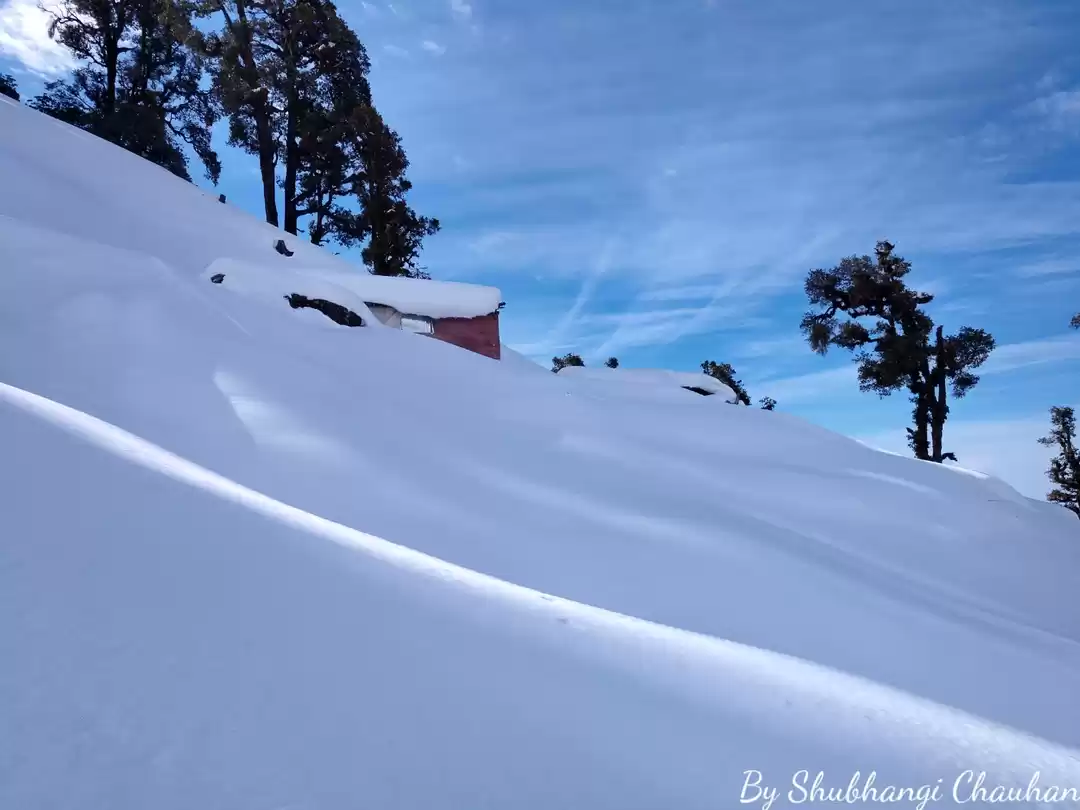
January 2026 is one of the best months to book a Chopta tour package if you want to experience fresh snowfall, silent forests, and snow-covered Himalayan trails. During this time, Chopta tour packages are specially designed for winter travelers who want a mix of adventure, scenic beauty, and peaceful mountain vibes.
A winter Chopta tour package usually includes snow trekking experiences, cozy stays, and guided routes to nearby attractions like Tungnath and Chandrashila (subject to weather conditions). The entire region transforms into a white paradise, making January an ideal month for nature lovers, photographers, and first-time snow travelers.
Most Chopta tour packages in January focus on safety and comfort, with experienced local guides, flexible itineraries, and buffer days in case of heavy snowfall. Whether you’re traveling solo, with friends, or as a couple, winter packages offer a well-balanced experience of adventure and relaxation.
Booking your Chopta tour package early for January 2026 is highly recommended, as snowfall season sees limited availability of hotels and transport due to road conditions.
Weather & Snowfall in Chopta in January 2026
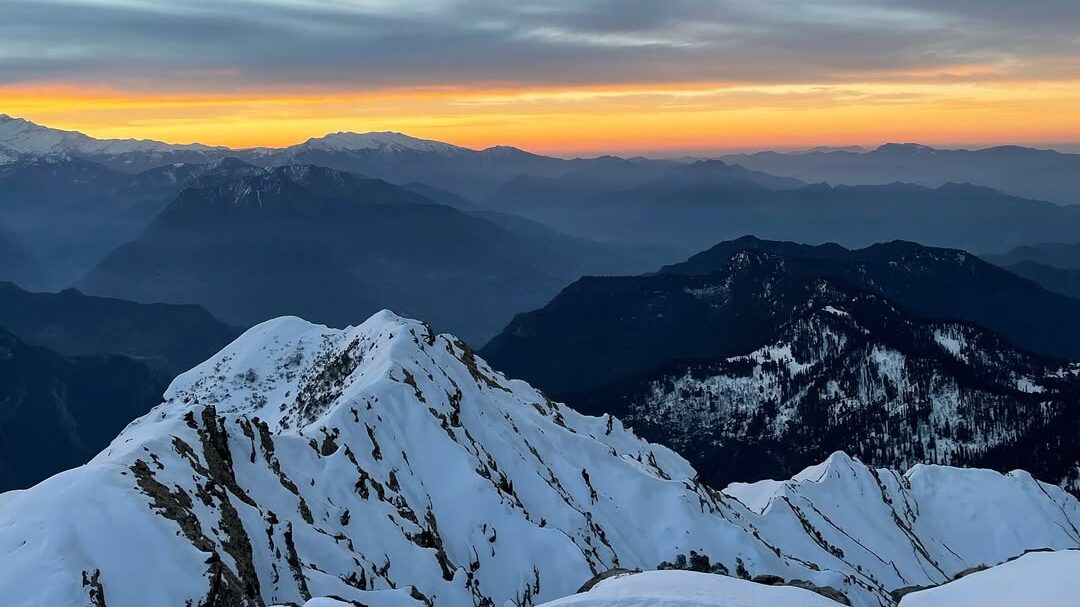
January 2026 is peak winter season in Chopta, and the weather during this month is dominated by cold temperatures and frequent snowfall. Daytime temperatures in Chopta usually range between –5°C to 7°C, while nights can drop further below freezing. Due to its high altitude, Chopta remains covered in snow for most of January, especially after fresh snowfall spells.
Snowfall in Chopta in January 2026 is expected to be consistent, making the region look like a white paradise. Forest trails, meadows, and trekking routes towards Tungnath and Chandrashila are often blanketed with snow. This creates ideal conditions for travelers booking a Chopta tour package specifically for winter and snow experiences.
Heavy snowfall may sometimes affect road connectivity, especially near Duggalbitta and Chopta village. However, most Chopta tour packages from Delhi plan buffer days and use experienced local drivers to handle winter road conditions safely. Clear mornings followed by cloudy afternoons are common, and snowfall usually occurs during late evening or night hours.
If your goal is to witness fresh snow, enjoy peaceful landscapes, and experience real Himalayan winter beauty, January 2026 offers the most authentic snowfall conditions in Chopta.
Why January 2026 Is the Best Time to Visit Chopta
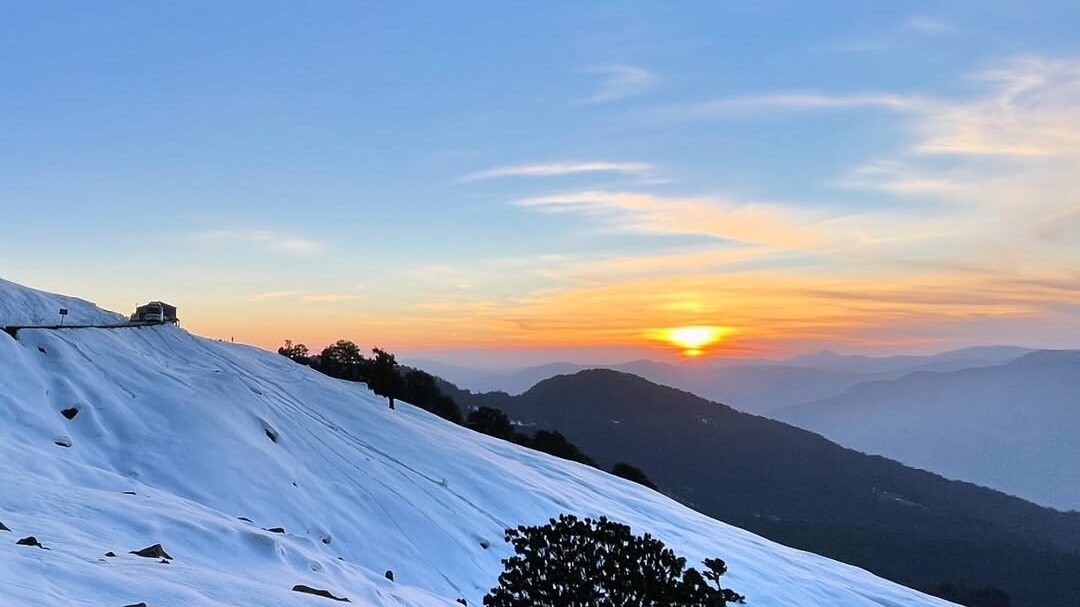
January 2026 is considered one of the most beautiful and peaceful times to visit Chopta, especially for travelers who want to experience snowfall and true winter landscapes. During this month, Chopta transforms into a quiet Himalayan destination with snow-covered meadows, pine forests, and frozen trails, offering a raw and untouched mountain experience.
One major reason January stands out is the high chance of snowfall. Unlike early winter months, January usually brings consistent snow accumulation, making the region visually stunning. This is also the reason many travelers prefer booking a Chopta tour package during January, as winter itineraries are designed to maximize snow experiences while ensuring safety.
Another advantage of visiting Chopta in January 2026 is reduced crowd levels. Compared to summer and autumn seasons, fewer tourists visit during peak winter, allowing travelers to enjoy peaceful stays and uninterrupted views. Adventure seekers also find January exciting because snow trekking routes towards Tungnath and Chandrashila become more challenging and rewarding.
For travelers coming from major cities, a Chopta tour package from Delhi in January offers a complete escape from city life into a calm, snow-filled Himalayan environment. With proper planning, winter gear, and guided support, January becomes an ideal month to explore Chopta’s natural beauty.
If you wanted to know more check out this blog on Chopta in january
Chopta Tour Packages for January 2026
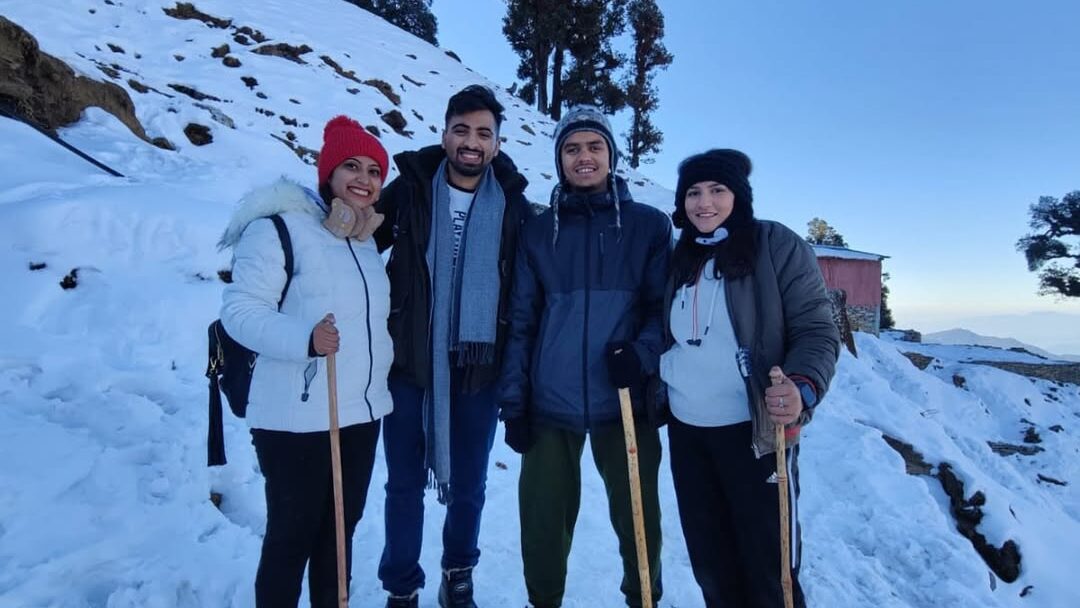
If you are planning a winter trip to the Himalayas, booking a tour package to Chopta in January 2026 is one of the best ways to ensure a hassle-free experience. Tour packages are designed to handle everything from transportation and accommodation to trekking routes and local guidance, allowing travelers to focus entirely on enjoying the snow-covered landscapes.
Most packages include stays near Chopta village, guided trips to Tungnath and Chandrashila, and advice on the best routes during heavy snowfall. Since January is peak snowfall season, having a tour package can be very helpful for safety and planning purposes. Packages also vary depending on starting points, with some specially arranged for travelers from Delhi, making travel convenient and well-organized.
Tour packages in January often emphasize both adventure and comfort. Along with trekking, they include tips for snow photography, local food experiences, and proper winter gear. Choosing a package ensures that you don’t miss the highlights of Chopta while staying safe during the snowy season.
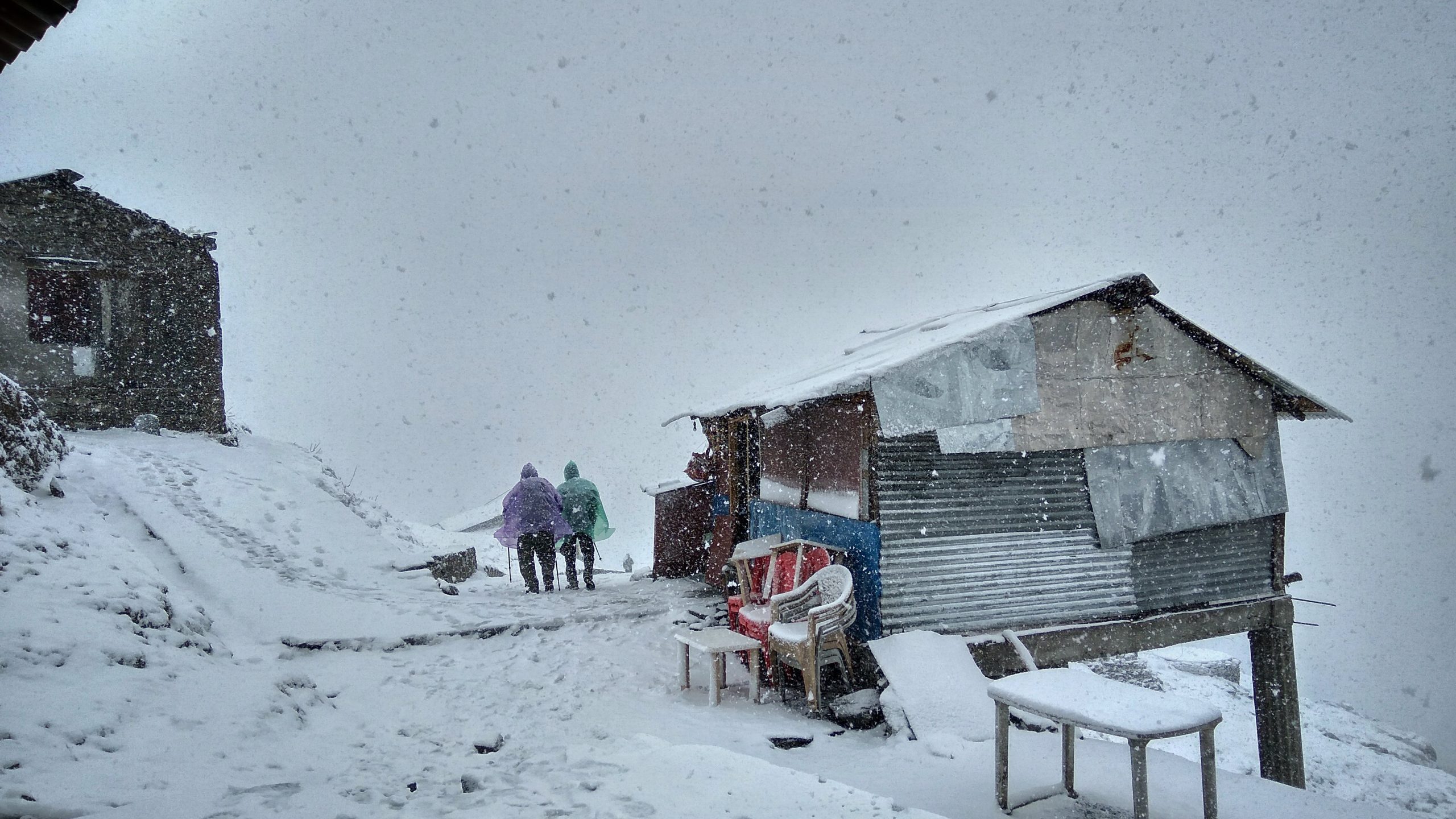
Tungnath Temple Trek From Delhi: Route, Distance & Tips
Chopta Tungnath trek is one of the most popular winter treks in Uttarakhand, attracting travelers looking for snow-covered trails, Himalayan views, and spiritual experiences. For those traveling from Delhi, the trek is easily accessible through organized tour packages, which include transportation, accommodation, and guided treks to ensure a safe and memorable journey.
The trek begins from Chopta village, which is about 200 kilometers from Delhi. Most travelers reach Chopta after a drive of 8–9 hours via Haridwar or Rishikesh. Many tour packages from Delhi provide pickup and drop services, which makes the journey convenient, especially in winter when roads may be slippery due to snowfall.
From Chopta, the trek to Tungnath temple covers approximately 3.5 kilometers one way. The trail passes through dense pine forests, frozen streams, and open meadows blanketed with snow in January. The trek is moderately challenging, taking 2.5–4 hours to reach Tungnath depending on fitness and trail conditions. The final stretch is steep, but the serene surroundings and panoramic views of the Himalayan peaks make every step worthwhile.
Tungnath, the highest Shiva temple in the world, is a major highlight of the trek. Trekkers visiting in January experience the temple surrounded by thick snow, creating a magical and spiritual atmosphere. Many travelers combine the trek with Chandrashila summit trek, which is an additional 1.5 kilometers from Tungnath, offering sunrise views over snow-covered peaks.
Tips for trekkers include wearing proper winter gear, carrying trekking poles for stability, starting early in the morning, and staying hydrated. Following marked trails and hiring a local guide is highly recommended for first-time winter trekkers. Tour packages from Delhi often include these facilities, making the experience safe, well-organized, and enjoyable.
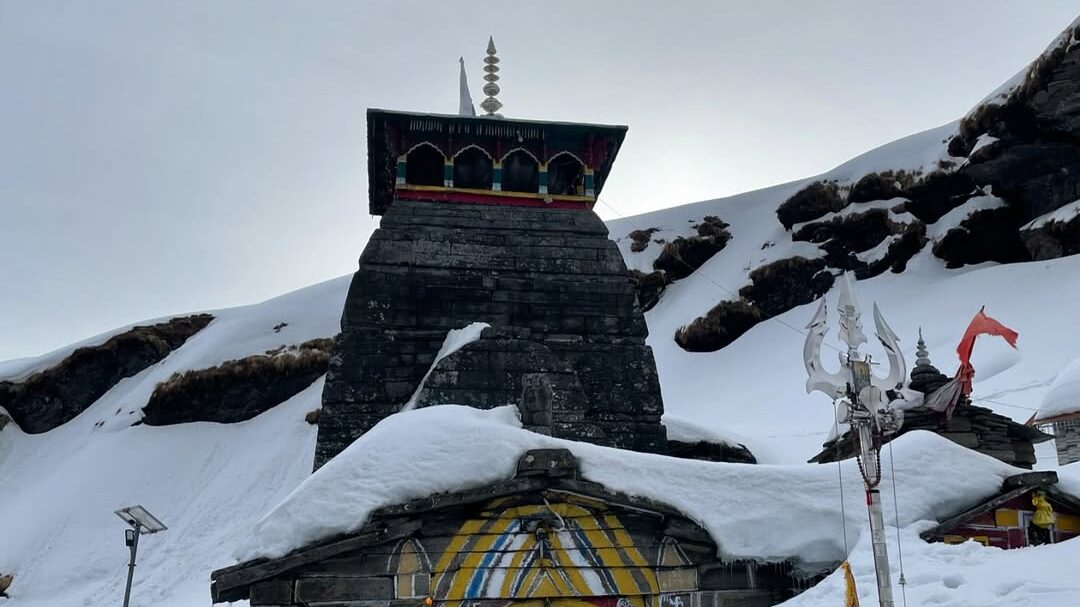
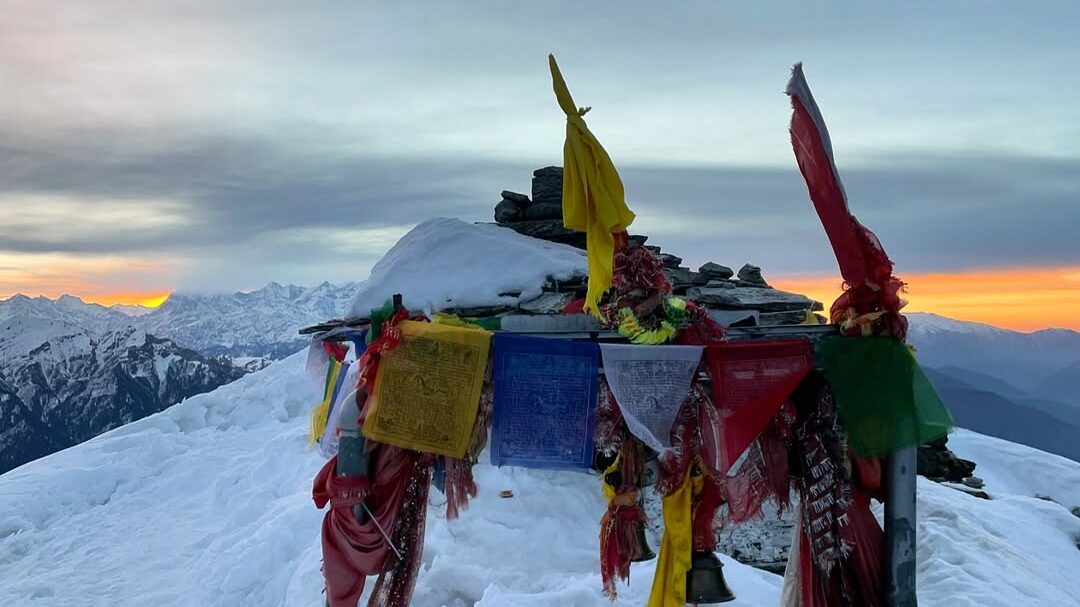
Chandrashila Summit Trek in Snow
Chandrashila summit trek is a breathtaking winter adventure that starts from Tungnath and reaches the highest point of the region at 4,000 meters. This trek offers spectacular panoramic views of the Himalayan ranges, including Nanda Devi, Trishul, and Chaukhamba peaks, all covered in snow during January. The trail passes through snow-laden forests, frozen streams, and open meadows, giving trekkers a magical winter experience.
Starting from Tungnath, the trek to Chandrashila summit is approximately 1.5 kilometers. While the distance is short, the ascent is steep and can be challenging due to icy paths. Trekkers need to wear proper winter gear, including trekking shoes with grip, gloves, and layered clothing, to stay warm and safe. Using trekking poles is highly recommended for balance on the snowy trail.
January is one of the best months to attempt the Chandrashila trek because of the fresh snowfall and clear skies in the early morning. Trekkers can catch the sunrise from the summit, which paints the snow-covered peaks in golden hues—a truly unforgettable sight. The summit also offers opportunities for photography and quiet reflection in the serene surroundings.
Safety is important during winter treks. Beginners should consider going with a guide or as part of an organized tour. Adequate hydration, snacks, and careful pacing are essential. Many winter travelers combine this trek with the Chopta tour package to experience both Tungnath and Chandrashila comfortably, without worrying about transport, accommodation, or safety.
In January, temperatures on the trek can range from –5°C to –10°C, with icy patches along the path. Proper winter trekking gear is essential, including insulated jackets, trekking boots with good grip, gloves, and thermal layers. Trekking poles are recommended to maintain stability on slippery sections of the trail.
One of the main highlights of the Chandrashila trek is witnessing the sunrise over snow-covered peaks. Early morning trekkers are rewarded with golden sunlight reflecting off Nanda Devi, Trishul, and Chaukhamba peaks. The trek also offers excellent photography opportunities, serene spots for meditation, and an unforgettable Himalayan experience.
Travelers often opt for guided tours or organized tour packages for this trek, ensuring safety, proper navigation, and convenient accommodation in Chopta. Following marked trails, staying hydrated, and pacing yourself are important tips for enjoying the trek without exhaustion. The January snowfall adds a magical touch, making the Chandrashila trek a perfect winter adventure.
Things to Do in Chopta During January Snowfall
Chopta in January is a winter wonderland, offering travelers a wide range of activities that make the snowy season truly memorable. One of the main attractions is trekking, with routes leading to Tungnath temple and Chandrashila summit providing both adventure and breathtaking views of the snow-covered Himalayas. Snow trekking allows visitors to explore the serene landscapes while enjoying the crisp winter air.
Apart from trekking, photography is a popular activity in January, as the entire region is blanketed in fresh snow, creating perfect opportunities for landscape and nature photography. Early morning sunrise views from higher altitudes, such as Chandrashila, capture the golden light reflecting on snow-covered peaks, a sight that attracts photographers and nature enthusiasts alike.
Nature walks and meadow exploration are also enjoyable for those looking for a less strenuous activity. Chopta’s open grasslands, pine forests, and frozen streams provide a peaceful environment for walks, birdwatching, and relaxation. Some travelers also indulge in short camping trips, enjoying warm bonfires amidst the snowy landscape.
Local experiences, including trying traditional Uttarakhand cuisine and interacting with locals, add cultural depth to the winter visit. Travelers can sample dishes like rajma-chawal, local sweets, and freshly brewed herbal teas, which are perfect for warming up after a snowy trek.
For adventure seekers, combining trekking with snowshoeing or exploring lesser-known trails around Chopta enhances the winter experience. Many tour packages include guided activities, ensuring safety while making the most of Chopta’s winter charm.
Overall, January in Chopta offers a unique combination of adventure, nature, and tranquility. Whether trekking to high altitudes, capturing snow-laden landscapes, or enjoying local culture, there are plenty of activities to make a winter trip to Chopta unforgettable.
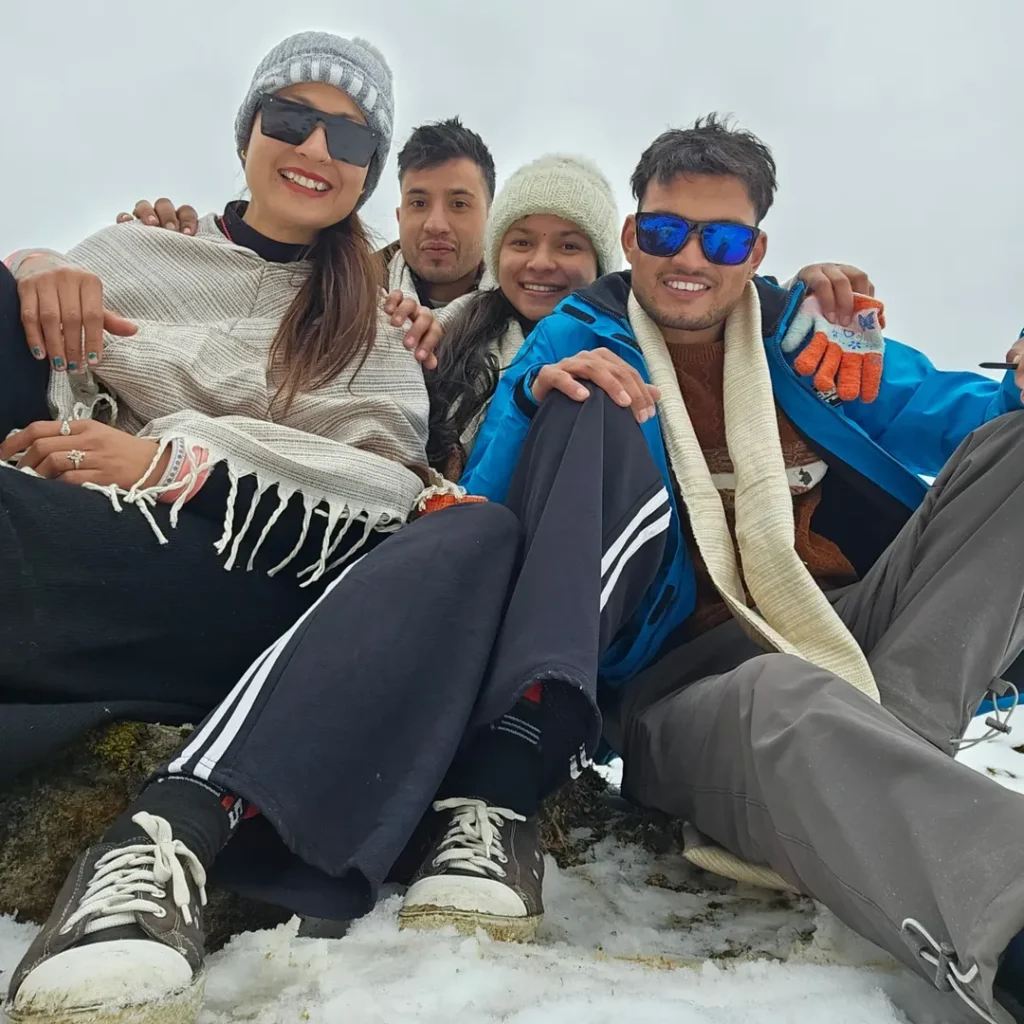
What to Pack for Chopta in January
Visiting Chopta in January requires careful packing to ensure comfort, safety, and an enjoyable winter experience. Temperatures can drop below freezing, especially during early mornings and nights, and trails are often covered with snow and ice. Proper clothing, footwear, and accessories are essential for trekking and exploring the snow-covered landscapes.
Warm layered clothing is a must. Thermal innerwear, fleece jackets, and insulated winter jackets help retain body heat. Waterproof and windproof outer layers protect against snow and cold winds. Trekking pants, gloves, woolen caps, and scarves are important for covering exposed areas and preventing frostbite. Wearing layers allows you to adjust clothing according to activity and temperature changes throughout the day.
Footwear is crucial for winter trekking. Sturdy, insulated, and waterproof trekking shoes or boots with good grip are necessary for navigating icy and slippery trails. Trekking poles can provide stability and reduce strain on knees while walking on uneven snow-covered terrain.
Other essentials include sunglasses to protect eyes from the glare of the snow, sunscreen for UV protection at high altitudes, and a good-quality backpack to carry water, snacks, and personal items. Carrying a first-aid kit, extra batteries or power banks, and a flashlight is also recommended. For longer treks, packing energy bars, hydration packs, and reusable water bottles ensures sustained energy during the journey.
If you’re booking a tour package, some gear may be included, but it’s best to double-check and carry your personal essentials. By packing thoughtfully, you can fully enjoy the trekking trails, snowy meadows, and winter beauty of Chopta without discomfort or interruptions.
Is January 2026 the Right Time to Book a Chopta Tour Package?
January 2026 is an ideal time to book a Chopta tour package for travelers seeking a winter adventure in the Himalayas. During this month, Chopta experiences fresh snowfall, creating picturesque snow-covered landscapes that attract trekkers, photographers, and nature enthusiasts. The serene environment, combined with fewer tourists compared to peak summer months, makes January perfect for those who enjoy peaceful mountain experiences.
Tour packages in January are designed to handle winter challenges such as cold temperatures, snow-covered trails, and road conditions. They typically include transport, accommodation, trekking guidance, and sometimes meals, ensuring a safe and well-organized trip. Booking in advance is recommended, as winter packages tend to fill up quickly due to limited availability of lodges and guest houses.
January also allows travelers to combine trekking experiences to Tungnath and Chandrashila, capturing the beauty of the Himalayas under snow. Early morning treks offer stunning sunrise views, while the white landscapes provide perfect opportunities for photography. Tour packages often include experienced guides who ensure safety on icy paths and provide insights into the region’s culture and natural history.
For those traveling from Delhi or other major cities, booking a Chopta tour package in January 2026 offers convenience, safety, and the chance to fully enjoy the winter charm of the Himalayas without worrying about logistics. With proper preparation and the right package, January provides one of the best times to experience Chopta in its snow-clad glory.
If you’re interested in a combined Uttarakhand winter experience, you can explore a detailed Auli Chopta tour package for enjoying snow adventure activity like skiing and many others .
Does It Snow in Chopta in January?
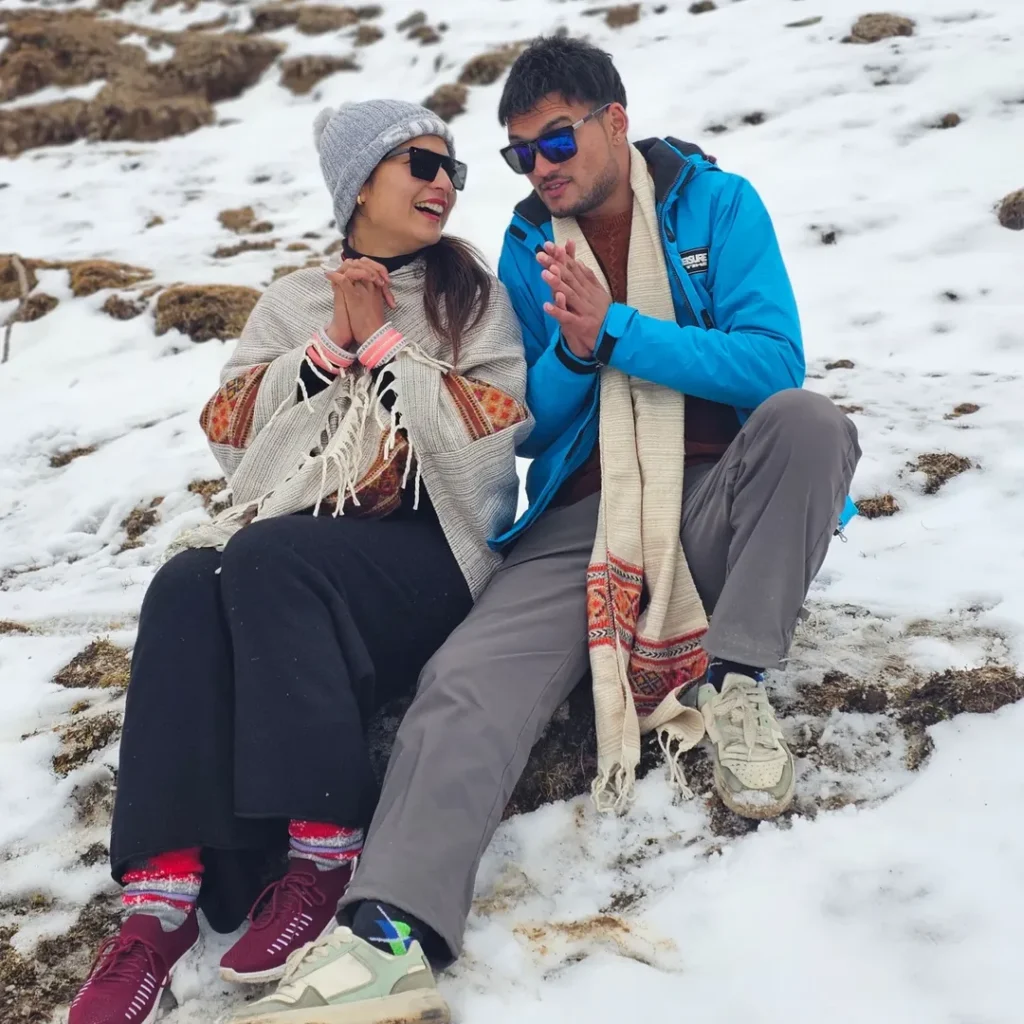
Chopta experiences consistent snowfall in January, making it a magical winter destination. Snow covers the forests, meadows, and trekking trails, creating a serene Himalayan landscape ideal for nature lovers and trekkers. Early mornings often provide clear skies, allowing unobstructed views of snow-capped peaks, while afternoons may see light snowfall or cloud cover, adding to the charm of the region.
Travelers planning a January trip should carry proper winter clothing such as insulated jackets, thermal layers, gloves, woolen caps, and trekking shoes with good grip. The snow can make trails slippery, so trekking poles and careful walking are recommended. Many travelers choose a Chopta tour package in January, which typically includes guided treks, accommodations, and transport, ensuring a hassle-free experience in challenging winter conditions.
Besides trekking, January snow makes Chopta perfect for photography, nature walks, and peaceful exploration. Fresh snowfall creates scenic landscapes at every turn, from pine forests to open meadows, providing memorable experiences for adventure enthusiasts and families alike. Visiting Chopta in January also offers the advantage of fewer crowds, allowing travelers to enjoy the natural beauty in a quiet and tranquil environment.
Is Chopta Safe to Visit During Heavy Snowfall?
Chopta is generally safe to visit during January, even when snowfall is heavy, as long as travelers take proper precautions. Snow and ice can make roads slippery and trekking trails more challenging, so it’s important to stick to marked paths and travel with experienced guides or as part of a tour package.
Booking a Chopta tour package is highly recommended for winter visits, as these packages often include guided treks, accommodation, transport, and emergency support. With professional guidance, trekkers can safely navigate snow-covered trails while enjoying the serene beauty of the region. Proper winter clothing, including insulated jackets, gloves, woolen caps, and trekking boots with good grip, is essential for comfort and safety. Trekking poles can provide additional stability on icy patches.
Despite the cold and potential snowfall, January offers a magical experience for visitors. Snow-laden forests, frozen streams, and open meadows create breathtaking landscapes perfect for photography, nature walks, and quiet exploration. Traveling as part of a Chopta tour package ensures that safety measures are followed, accommodations are secure, and the trekking experience is well-organized, allowing visitors to enjoy the winter scenery without unnecessary risks.
Can Beginners Do Tungnath & Chandrashila Trek in January?
Yes, beginners can enjoy the Tungnath and Chandrashila treks in January with proper planning. While the trails are moderately challenging due to snow and icy patches, traveling with a guide or booking a Chopta tour package ensures safety and support.
The trek from Chopta to Tungnath and onward to Chandrashila summit involves steep sections and snow-covered paths, so wearing insulated jackets, trekking shoes with good grip, gloves, and using trekking poles is essential. Early morning starts are recommended to avoid afternoon snowfall and enjoy clear views of the Himalayan peaks.
Even first-time winter trekkers can complete the trek comfortably when following safety instructions, pacing themselves, and staying hydrated. The snowy landscapes, frozen meadows, and panoramic sunrise views from Chandrashila make this trek a rewarding winter experience. Choosing a Chopta tour package provides accommodation, guided support, and transport, making it ideal for beginners looking to explore the Himalayas in January.
For more details on Chopta’s landscape, trekking routes, and winter snowfall, check the official Uttarakhand Tourism guide .
Faqs for Chopta Snowfall
1. What kind of snowfall can I expect in Chopta in January?
In January, Chopta receives fresh and consistent snowfall, covering meadows, forests, and trekking trails. Snowfall usually happens in the evening or night, while mornings are often clear, offering beautiful views of snow-covered peaks. Trekking or visiting during this month provides a serene winter experience. Many travelers book a Chopta tour package to explore safely during the snowy season.
2. Is January the best month for winter trekking in Chopta?
Yes, January is ideal for winter trekking in Chopta. Snow blankets the trails, creating a magical landscape. Clear early mornings are perfect for trekking, photography, and sunrise views from Chandrashila. Guided Chopta tour packages in January ensure safe and well-planned trekking experiences.
3. How cold does Chopta get in January nights?
Night temperatures in January can drop to –10°C or lower in Chopta. Daytime temperatures range from –5°C to 5°C. Warm layered clothing, insulated jackets, gloves, and thermal gear are essential for trekking or staying in Chopta during winter.
4. Are Chopta trails safe during heavy snowfall?
Yes, but precautions are necessary. Snow can make trails slippery. Following marked paths, trekking with guides, and using poles are recommended. Booking a Chopta tour package ensures guided treks and safe routes for winter trekking.
5. Can first-time trekkers attempt Tungnath trek in January?
Yes, beginners can attempt the Tungnath trek in January with proper guidance. Snowy trails are moderately challenging, but a guided Chopta Tungnath trek provides safety, tips, and support for first-time winter trekkers.
6. How difficult is the Chandrashila trek in winter for beginners?
Chandrashila trek in January is moderately challenging. Steep and icy sections require caution, trekking poles, and warm clothing. Beginners are recommended to go with guides or a Chopta tour package for safety and assistance.
7. How far is Tungnath temple from Chopta village?
The distance from Chopta to Tungnath temple is approximately 3.5 km one way. The trek takes 2.5–4 hours depending on snow and fitness. Proper winter gear is essential for this Chopta Tungnath trek.
8. How long does it take to reach Chandrashila summit from Chopta?
From Chopta, the Chandrashila summit trek covers about 5 km one way and usually takes 4–6 hours. Snow and icy patches in January can slow progress, so early starts are recommended.
9. What essential clothing and gear should I carry for Chopta in January?
Carry layered clothing, insulated jackets, thermal innerwear, trekking shoes with grip, gloves, caps, and scarves. Trekking poles and sunglasses are recommended for snow glare. A Chopta tour package often provides guidance on gear.
10. Are there Chopta tour packages from Delhi during winter?
Yes, many tour operators offer Chopta tour packages from Delhi in January, including transport, accommodation, guided treks to Tungnath and Chandrashila, and local support for winter conditions.
11. Should I hire a local guide for Chopta treks in January?
Hiring a local guide is highly recommended in winter. Guides ensure safety, navigate snow-covered trails, provide tips, and make your Chopta tour package experience smoother and more enjoyable.
12. Are roads to Chopta accessible after snowfall?
Yes, roads are generally accessible, but heavy snow can cause temporary blockages. Tour packages usually include experienced drivers and alternate routes to ensure safe travel from Delhi or nearby towns.
13. What accommodation options are available in Chopta in January?
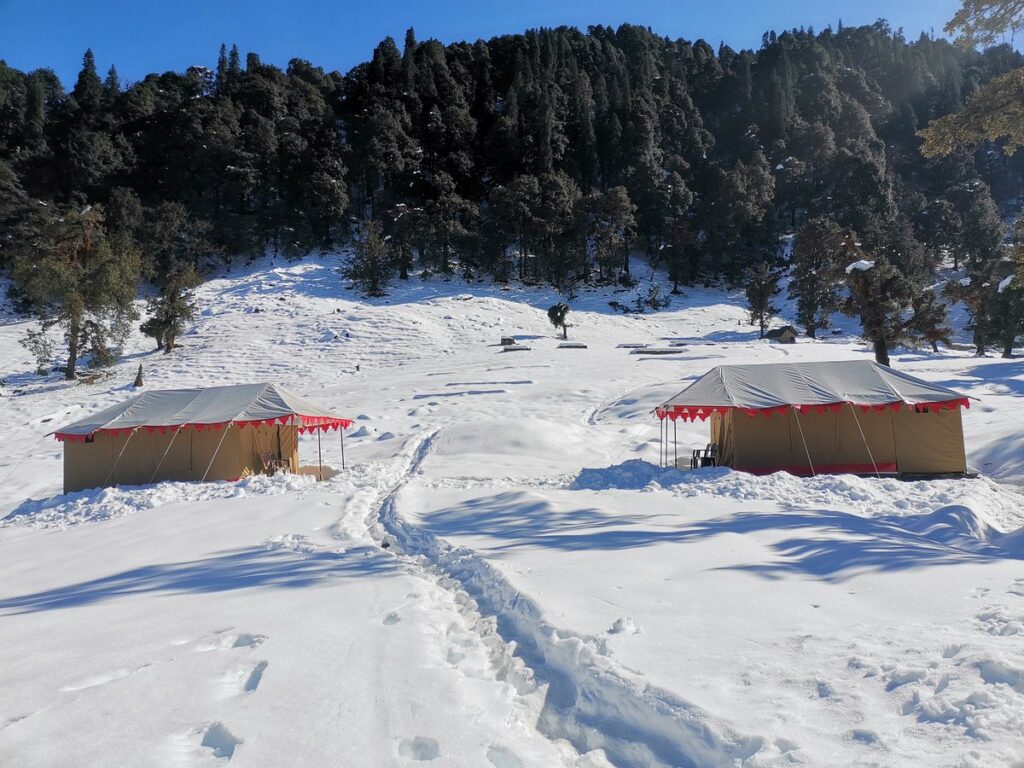
Guest houses, camps, and eco-resorts operate in Chopta during winter. Booking in advance is essential as snowfall can limit availability. Many Chopta tour packages include accommodation in their itineraries.
14. Can I visit Auli or other nearby snow destinations along with Chopta?
Yes, travelers often combine Chopta with Auli or nearby Uttarakhand destinations in winter. Multi-day Chopta tour packages often include sightseeing or extended treks to maximize snow experiences.
15. Which trekking routes are recommended for snow trekking in Chopta?
The main winter routes are Chopta to Tungnath, Tungnath to Chandrashila, and Chopta to Chandrashila directly. Guided Chopta tour packages ensure safe navigation on snow-covered trails.
16. Can I see sunrise from Chandrashila summit during January?
Yes, early morning treks from Chopta or Tungnath offer stunning sunrise views over snow-capped peaks like Nanda Devi and Trishul. Winter visibility is generally clear in early mornings.
17. Are trekking permits required for Tungnath or Chandrashila in winter?
No special permits are usually required, but it’s advisable to check with Uttarakhand tourism authorities. Most Chopta tour packages handle permits and local regulations.
18. Is it possible to complete the Chopta-Tungnath trek in a single day?
Yes, the 3.5 km trek to Tungnath can be completed in 5–7 hours round trip, including rest stops. Early starts are recommended in January to avoid afternoon snow and shorter daylight hours.
19. What is the level of fitness needed for winter treks in Chopta?
Moderate fitness is sufficient for Chopta, Tungnath, and Chandrashila treks. Beginners can manage with proper pacing, trekking poles, and a guided Chopta tour package.
20. Are guided winter treks safe for families with children?
Yes, guided treks during winter are safe for families if children are comfortable walking on snow and dressed appropriately. Tour packages ensure safety, transport, and accommodation suitable for families.