

The Panch Kedar Yatra is one of the most sacred and adventurous pilgrimages in Uttarakhand. Among its five temples, Madmaheshwar Temple and Rudranath Temple are two of the most beautiful yet challenging treks. Both offer a perfect blend of spirituality, nature, and adventure—but choosing between them can be confusing.
In this detailed guide, we compare Madmaheshwar vs Rudranath Trek based on difficulty, scenery, accessibility, spiritual experience, and more—so you can decide which one suits you best.
Overview of Madmaheshwar Trek

Madmaheshwar is the second temple of Panch Kedar, dedicated to Lord Shiva’s navel (Madhya part). It is located at an altitude of around 3,289 meters in the Garhwal Himalayas.
Key Highlights:
- Scenic trek through forests, waterfalls, and meadows
- Beautiful views of the Chaukhamba peaks
- Visit to Budha Madmaheshwar (sunrise point)
- Less crowded compared to Kedarnath
Trek Details:
- Starting Point: Ransi Village
- Trek Distance: ~16–18 km (one way)
- Duration: 2–3 days
- Difficulty Level: Moderate
Overview of Rudranath Trek

Rudranath is one of the most mystical temples of Panch Kedar, where Lord Shiva’s face is worshipped. It is situated at an altitude of 3,600 meters and offers a truly raw Himalayan experience.
Key Highlights:
- Remote and untouched trekking route
- Panoramic views of Nanda Devi, Trishul, and Nanda Ghunti
- Natural rock temple surrounded by alpine meadows
- Spiritual silence and less commercialisation
Trek Details:
- Starting Point: Sagar Village (most popular route)
- Trek Distance: ~20–24 km (one way)
- Duration: 3–4 days
- Difficulty Level: Moderate to Difficult
Madmaheshwar vs Rudranath Trek: Detailed Comparison
1. Trek Difficulty
The trek to Madmaheshwar Temple is considered relatively easier and more beginner-friendly. The trail is well-defined, with gradual ascents through forests and small villages, making it suitable for first-time trekkers who have basic fitness levels. While the trek is around 16–18 km one way, the elevation gain is steady and manageable.
On the other hand, the trek to Rudranath Temple is more demanding. It involves longer trekking distances (20–24 km one way), steep climbs, and higher altitude exposure. The route includes rugged terrains, narrow paths, and extended walking hours, which require good stamina and prior trekking experience.
👉 Winner: Madmaheshwar (ideal for beginners)
2. Scenic Beauty
Madmaheshwar offers a diverse landscape filled with lush green forests, flowing streams, and breathtaking views of the Chaukhamba peaks. The journey feels refreshing and peaceful, especially during early mornings and evenings when the mountains glow beautifully.
In contrast, Rudranath provides a more dramatic and expansive Himalayan experience. The trail passes through high-altitude bugyals (alpine meadows), rocky ridges, and vast open landscapes with panoramic views of peaks like Nanda Devi and Trishul. The raw, untouched beauty here feels more immersive and adventurous.
👉 Winner: Rudranath (for raw Himalayan beauty)
3. Spiritual Experience
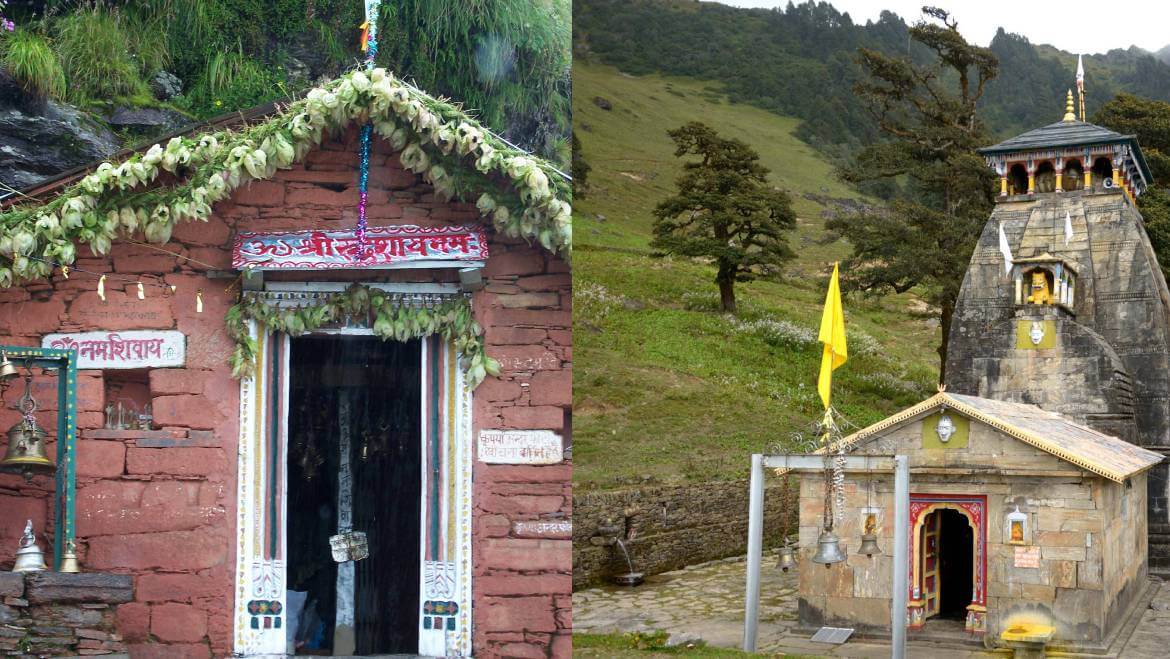
The atmosphere at Madmaheshwar Temple is calm and devotional, attracting pilgrims seeking peace and connection with Lord Shiva. The temple setting, combined with its scenic surroundings, creates a soothing spiritual experience.
Rudranath, however, offers a more intense spiritual vibe. Located in isolation and surrounded by nature, the temple feels mystical and powerful. The silence, the minimal crowd, and the natural rock formations of the shrine enhance the sense of divine presence.
👉 Winner: Rudranath (more intense spiritual vibe)
4. Accessibility
Madmaheshwar is easier to access, with better road connectivity up to Ransi village. The trek route is straightforward, and facilities like food and accommodation are more readily available along the way.
Rudranath, by comparison, is remote and less accessible. Reaching the base village itself requires more effort, and the trekking route is longer with limited facilities. This makes it less convenient but more adventurous.
👉 Winner: Madmaheshwar
5. Crowd & Popularity
Madmaheshwar sees a moderate number of visitors, especially during peak pilgrimage seasons. While it is not overcrowded, you will still encounter fellow trekkers and pilgrims on the route.
Rudranath remains largely untouched by mass tourism. The trail is quieter, and the temple receives fewer visitors, making it perfect for those who prefer solitude and a deeper connection with nature.
👉 Winner: Rudranath (for solitude seekers)
6. Best Time to Visit
Both treks are best experienced during the summer and post-monsoon seasons. The ideal months are May to June and September to October, when the weather is clear, and the views are at their best. During these periods, the trails are safer, and the landscapes are vibrant.
The monsoon season (July–August) should be avoided due to heavy rainfall, landslides, and slippery trekking paths, which can make the journey risky and uncomfortable.
Route Comparison
Madmaheshwar Trek Route
The journey to Madmaheshwar Temple begins from Rishikesh, followed by a scenic drive through Ukhimath to reach Ransi village, the base point of the trek. From Ransi, the trail passes through beautiful hamlets like Gaundhar and Bantoli, offering lush greenery, river crossings, and traditional village life. The route is well-marked and gradually ascends, making it comfortable for trekkers while providing stunning views of the Himalayan landscape.
Rudranath Trek Route
The trek to Rudranath Temple also starts from Rishikesh, continuing towards Gopeshwar and then Sagar Village. From here, the trek becomes more challenging, passing through Panar Bugyal’s vast meadows and the high-altitude ridge of Pitradhar before reaching the temple. This route is longer and more remote, offering breathtaking panoramic mountain views.
Unique Experiences
What Makes Madmaheshwar Special?
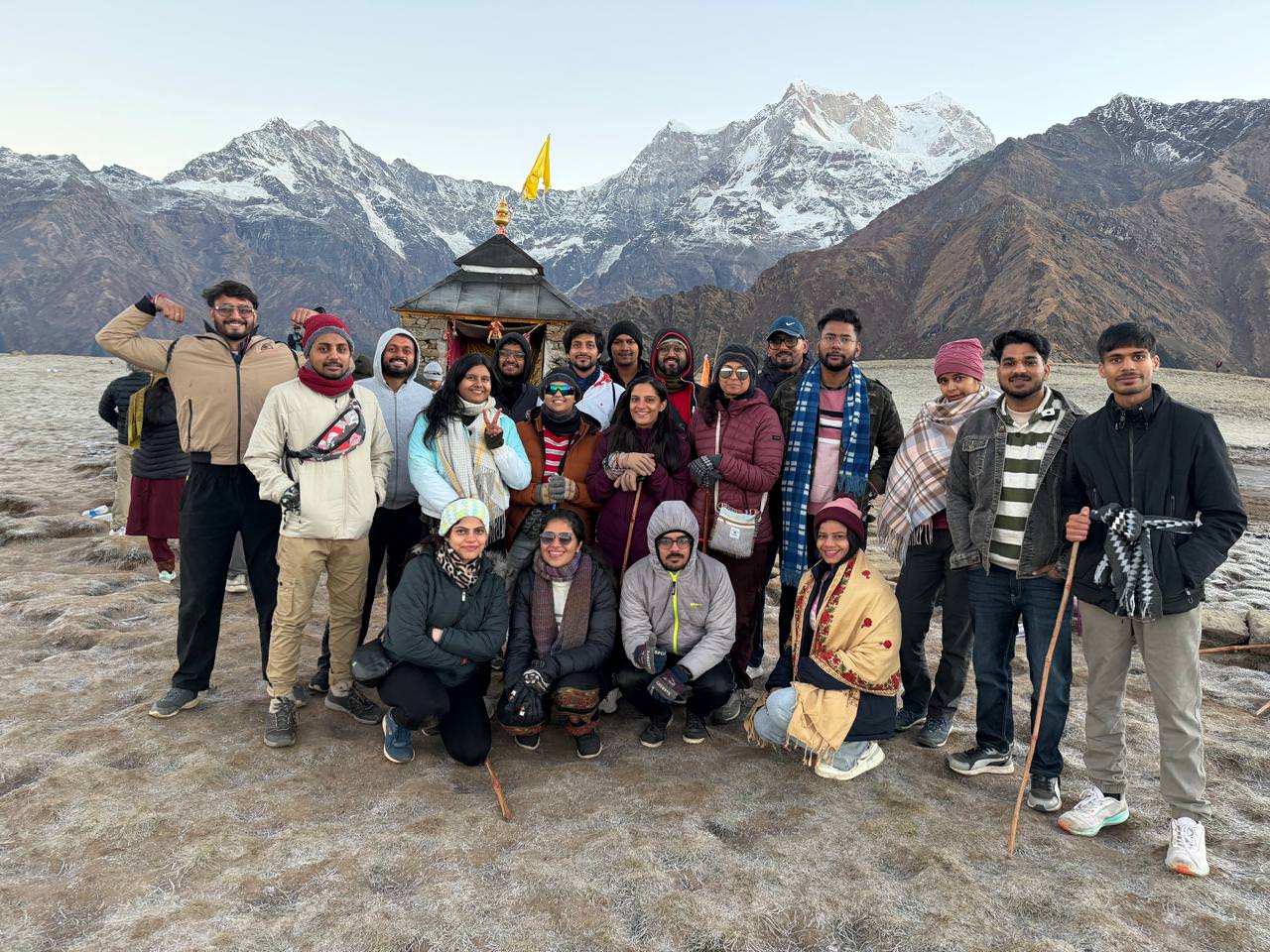
The journey to Madmaheshwar Temple offers a perfect blend of accessibility and scenic beauty, making it highly appealing for beginners. One of its most magical highlights is the Budha Madmaheshwar sunrise, where trekkers witness golden rays illuminating the majestic Chaukhamba peaks—an unforgettable Himalayan moment. The trek itself is relatively easier, with well-defined trails passing through forests, rivers, and peaceful villages, ensuring a rewarding experience without extreme difficulty. This makes it an ideal choice for first-time trekkers who want to enjoy both spirituality and nature without pushing their limits too hard.
What Makes Rudranath Special?
The experience at Rudranath Temple is raw, mystical, and deeply immersive. The temple, naturally carved into rock, feels ancient and spiritually powerful. Surrounded by vast alpine meadows and towering Himalayan peaks, the location offers breathtaking panoramic views. What truly sets Rudranath apart is its complete isolation—far from crowds and commercialisation—allowing visitors to experience unmatched peace, silence, and a stronger spiritual connection with nature.
Accommodation & Facilities
Madmaheshwar:
- Basic guesthouses and homestays are available
- Food options available on the route
Rudranath:
- Very limited accommodation
- Mostly tents or basic shelters
- Carry essentials
Which Trek Should You Choose?
Choose Madmaheshwar if:
- You are a beginner
- You want a shorter trek
- You prefer better accessibility
- You want a mix of comfort and adventure
Choose Rudranath if:
- You are an experienced trekker
- You seek solitude and raw nature
- You want a more spiritual and offbeat journey
- You can handle longer and tougher treks

Final Verdict
Both Madmaheshwar and Rudranath treks are incredible in their own ways. If you want a balanced trek with accessibility and beauty, go for Madmaheshwar. But if you are looking for a challenging, offbeat, and deeply spiritual Himalayan experience, then Rudranath is the better choice.
If you’re planning a hassle-free journey, explore our Madmaheshwar Tour Package that includes transportation, accommodation, meals, and expert guidance. This package is designed to give you a smooth and memorable trekking experience in the Himalayas.
FAQs
1. Which trek is harder: Madmaheshwar or Rudranath?
Rudranath trek is harder due to its longer distance and higher altitude.
2. Can beginners do the Rudranath trek?
It is not recommended for complete beginners. Prior trekking experience is helpful.
3. Is Madmaheshwar trek safe?
Yes, it is considered safe with proper planning and weather awareness.
4. How many days are needed for both treks?
- Madmaheshwar: 2–3 days
- Rudranath: 3–4 days
5. Which trek is more scenic?
Rudranath offers more expansive Himalayan views, while Madmaheshwar has diverse landscapes.
6. Is the mobile network available?
Limited to no network on both treks after the base villages.
7. Can both treks be done together?
Yes, but it requires proper planning and around 7–10 days.
📚 Helpful Resources for Trek Planning:
- Madhyamaheshwar Temple Trek from Ransi Village
- Buda Madmaheshwar Complete Guide 2026
- Madmaheshwar Trek Route Guide
- Madmaheshwar Trek in May: Complete Guide
- Madmaheshwar vs Kedarnath Trek: Which One Should You Choose in 2026?
- Madmaheshwar vs Tungnath Trek
- Madmaheshwar vs Rudranath Trek
- Madhyamaheshwar Yatra 2026:Complete Guide
- Madmaheshwar trek full itinerary 2026
- Madmaheshwar Trek in June: Complete Guide
- Panch Kedar Tour Package Complete Guide
- Chaukhamba view from Madmaheshwar
- Things to Know Before Visiting Madmaheshwar Temple
- Madmaheshwar Trek Difficulty Level – Is It Safe for Beginners?
- Madmaheshwar Climate & Weather Guide: Best Time to Visit in Every Season