
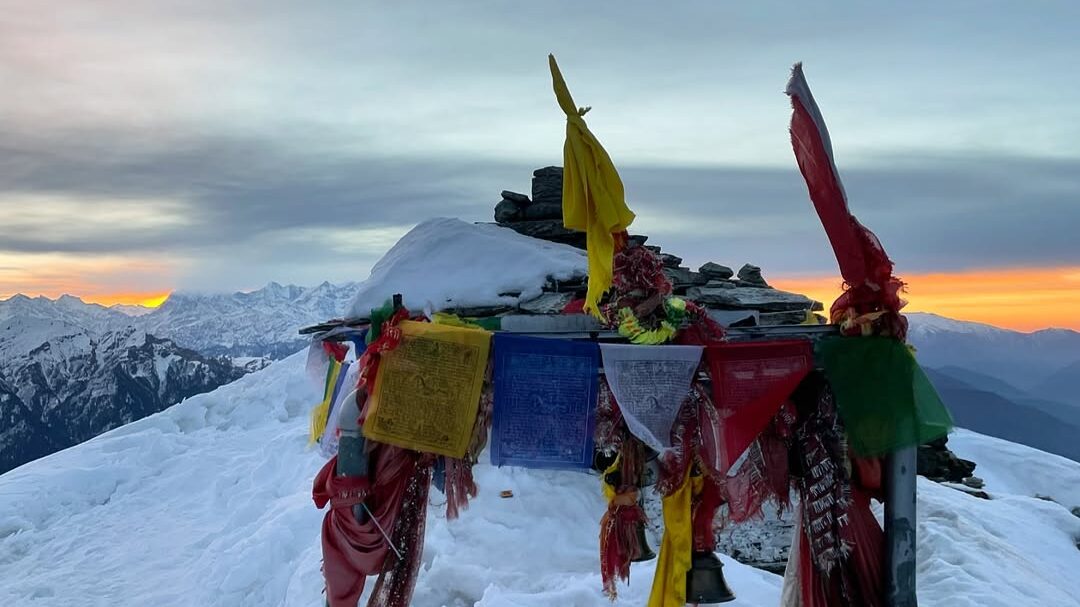
Nestled in the Garhwal Himalayas, Chopta turns into a serene winter paradise when snowfall blankets its meadows and trails. Known as the “Mini Switzerland of India,” it offers crisp mountain air, peaceful surroundings, and stunning Himalayan views. Winter in Chopta typically lasts from November to March, attracting trekkers, nature lovers, and photographers seeking snow-covered landscapes.
Understanding Chopta’s winter weather is essential for planning safe and enjoyable trips. Snowfall affects road access, trek conditions, and accommodation availability. This guide explores Chopta’s snowfall patterns over the past five years, helping travelers plan the perfect winter itinerary, choose the right Chopta tour package, and experience the Himalayas at their snowy best.
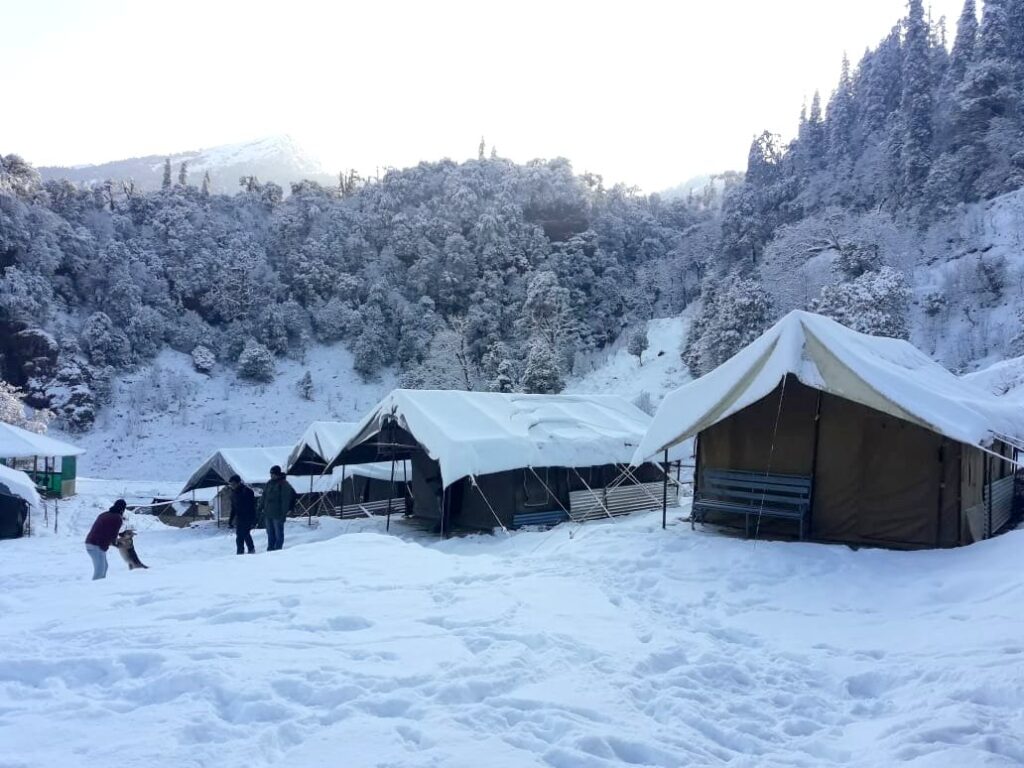
Year-Wise Snowfall in Chopta
Overview: Over the past five years, Chopta snowfall has shown variations that influence trekking conditions, accommodation availability, and travel planning.
Heavy Snow Years: Winters 2018–2019 and 2020–2021 had heavy snowfall, transforming the Tungnath Temple trek and Chandrashila summit trek into snow-covered wonderlands.
Moderate Snow Years: Winters 2019–2020 and 2021–2022 saw moderate snowfall, offering safer trekking paths for beginners and families.
Consistent Snow Month: January consistently records the most reliable snow cover, making it the prime month for winter treks in Chopta.
Tour Packages: Many travelers choose a Chopta tour package or a Chopta tour package from Delhi to ensure safe and hassle-free winter trips, including guided treks, accommodations, and transportation.
Popular Treks: Snow enhances experiences on the Chopta Tungnath trek, Chopta Chandrashila trek, and Chopta Chandrashila trek from Delhi.
Summit Adventure: The Chandrashila summit trek becomes particularly scenic under snow, attracting trekkers and photographers alike.
Planning Tip: Analyzing yearly snowfall helps visitors plan their travel schedules, select suitable tour packages, and maximize snow experiences.
Safety & Comfort: Guided treks ensure safe navigation on snowy trails, while tour packages handle logistics, making winter visits enjoyable and secure.
Conclusion: Reviewing the last five years of snowfall allows travelers to plan a winter trip to Chopta with confidence, ensuring a memorable Himalayan adventure.
Month-Wise Snowfall Trends: December to March
- December – Beginning of Snow Season
- December marks the start of winter snowfall in Chopta.
- Light to moderate snowfall begins, especially at higher altitudes.
- Trails for the Chopta Tungnath trek and Tungnath Temple trek start receiving fresh snow.
- Many travelers prefer an early winter Chopta tour package to enjoy snow without extreme cold.
- Roads generally remain accessible, though occasional snow may cause short delays.
- January – Peak Snowfall Month
- January experiences the heaviest and most consistent snowfall in Chopta.
- Snow completely covers meadows, forests, and trekking routes.
- The Chopta Chandrashila trek and Chandrashila summit trek become a true winter adventure.
- A Chopta tour package from Delhi is highly recommended for guided treks and safe transportation.
- Ideal month for snow photography, snow trekking, and scenic Himalayan views.
- February – Gradual Snow Decline
- Snowfall continues but begins to reduce slightly compared to January.
- Higher trails still remain snow-covered, especially for the Chopta Chandrashila trek from Delhi.
- Trekking conditions are slightly easier while still offering snow experiences.
- Good month for travelers seeking balanced weather and scenic snow views.
- March – End of Winter
- Snowfall reduces significantly, signaling the transition to spring.
- Lower trails begin to clear, making trekking easier for beginners.
- A Chopta tour package in March offers a mix of snow patches and emerging greenery.
- Suitable for relaxed treks, sightseeing, and nature walks.
- Summary
- December to February is best for snowfall lovers.
- January remains the peak snow month.
- March is ideal for those wanting milder conditions with leftover snow.
Heaviest Snowfall Years in Chopta (2019–2024)
- Overview of Heavy Snowfall Patterns
- Chopta has experienced varying levels of snowfall over the past several years.
- Certain winters stand out due to prolonged and heavy snowfall, significantly affecting trekking routes, road access, and travel planning.
- These years are especially memorable for snow lovers, photographers, and adventure trekkers.
- Winter 2018–2019
- One of the earliest years in recent times with intense snowfall.
- Continuous snow from late December to February covered forests and trails completely.
- The Chopta Tungnath trek became challenging but visually stunning.
- Travelers largely depended on guided Chopta tour packages for safety.
- Winter 2019–2020
- Moderate to heavy snowfall, though slightly less than the previous year.
- Trek routes remained accessible with caution.
- Ideal for beginners opting for a Chopta tour package from Delhi.
- Winter 2020–2021
- Recorded as one of the heaviest snowfall years in Chopta.
- Deep snow accumulation on the Chopta Chandrashila trek and Chandrashila summit trek.
- Road access was frequently disrupted due to snow blockages.
- Best suited for experienced trekkers and guided tours.
- Winter 2021–2022
- Comparatively moderate snowfall.
- Safer trekking conditions with snow still present at higher altitudes.
- Popular year for travelers booking Chopta Chandrashila trek from Delhi.
- Winter 2022–2023
- Uneven snowfall patterns due to changing weather conditions.
- January saw heavy snowfall, while February remained milder.
- Snow enhanced the beauty of trekking routes without causing major disruptions.
- Winter 2023–2024
- Fresh snowfall returned strongly, especially in January 2024.
- Snow-covered meadows and forests attracted winter trekkers again.
- The Chandrashila summit trek regained popularity among snow enthusiasts.
- Booking a guided Chopta tour package proved essential due to fluctuating weather.
- Why These Years Matter for Travelers
- Heavy snowfall years offer the most scenic winter landscapes.
- They require better preparation, winter gear, and local guidance.
- Understanding these patterns helps travelers choose the right year and month.
- Chopta’s heaviest snowfall years create unforgettable experiences but demand careful planning.
- Choosing the right season and a reliable tour package ensures safety and maximum enjoyment.
How Snowfall Impacts the Chopta Tungnath Trek
- Overall Impact of Snowfall
- Snowfall plays a major role in shaping the experience of the Chopta Tungnath trek.
- During winter months, the trail transforms from an easy walk into a scenic snow trek.
- Snow enhances beauty but also increases difficulty and safety requirements.
- Trail Conditions in Winter
- Fresh snowfall covers the trekking path, making it slippery and narrow.
- The Tungnath Temple trek becomes more challenging, especially after heavy snow.
- Proper footwear, trekking poles, and winter clothing are essential.
- Difficulty Level Changes
- In summer, the Chopta–Tungnath route is beginner-friendly.
- In winter, snowfall increases the trek’s difficulty to moderate level.
- First-time trekkers are advised to choose guided Chopta tour packages.
- Weather-Related Delays
- Heavy snowfall may lead to temporary trail closures.
- Sudden weather changes can cause delays in trekking schedules.
- Booking a Chopta tour package from Delhi helps manage itinerary changes smoothly.
- Safety & Guidance
- Local guides play a crucial role during snowy conditions.
- Guided treks ensure safe navigation and real-time weather assessment.
- Many travelers prefer packaged tours for safety during winter treks.
- Impact on Trek Extensions
- Snowfall may restrict access to higher points like Chandrashila.
- However, when conditions permit, the Chopta Chandrashila trek becomes a rewarding snow adventure.
- The Chandrashila summit trek offers breathtaking snow-covered Himalayan views.
- Best Snow Trek Experience
- January and early February provide the best balance of snow and safety.
- Early mornings offer firmer snow and better visibility.
Best Time to Experience Snowfall in Chopta
Chopta experiences snowfall mainly from late November to March, making winter the ideal season for travelers who want to witness its snow-covered beauty.
December Snowfall in Chopta
December marks the beginning of the winter season in Chopta, when the first consistent snowfall starts covering the meadows and forest trails. Temperatures begin to drop, especially at night, while daytime remains manageable for travel and trekking. Light to moderate snowfall during this month makes it ideal for beginners attempting the Chopta Tungnath trek or the Tungnath Temple trek. Roads are generally accessible, though occasional snowfall may cause short delays. Many travelers prefer booking a Chopta tour package in December to enjoy snow without facing extreme cold or difficult conditions.
January Snowfall in Chopta
January is the peak winter month and receives the heaviest snowfall in Chopta. The entire region transforms into a snow-covered paradise, with thick layers of snow on trekking routes and alpine meadows. Temperatures often fall below freezing, especially at night. Treks like the Chopta Chandrashila trek and Chandrashila summit trek become more challenging but extremely rewarding with breathtaking Himalayan views. Due to roadblocks and icy paths, opting for a Chopta tour package from Delhi with experienced guides is highly recommended during this month.
If you wanted to know how chopta particular look in january you can read it out through this article Chopta in January .
March Snowfall in Chopta
March signals the end of the snowfall season in Chopta, with snow slowly melting at lower altitudes while higher trails remain snow-covered. The weather becomes milder, making it easier for travelers who want a mix of winter charm and spring freshness. Snow patches still add beauty to treks, but routes become more accessible and less risky. March is ideal for those seeking a relaxed winter experience with fewer travel challenges while still enjoying scenic views along the Chopta Tungnath trek route.
Winter Road Conditions and Accessibility to Chopta
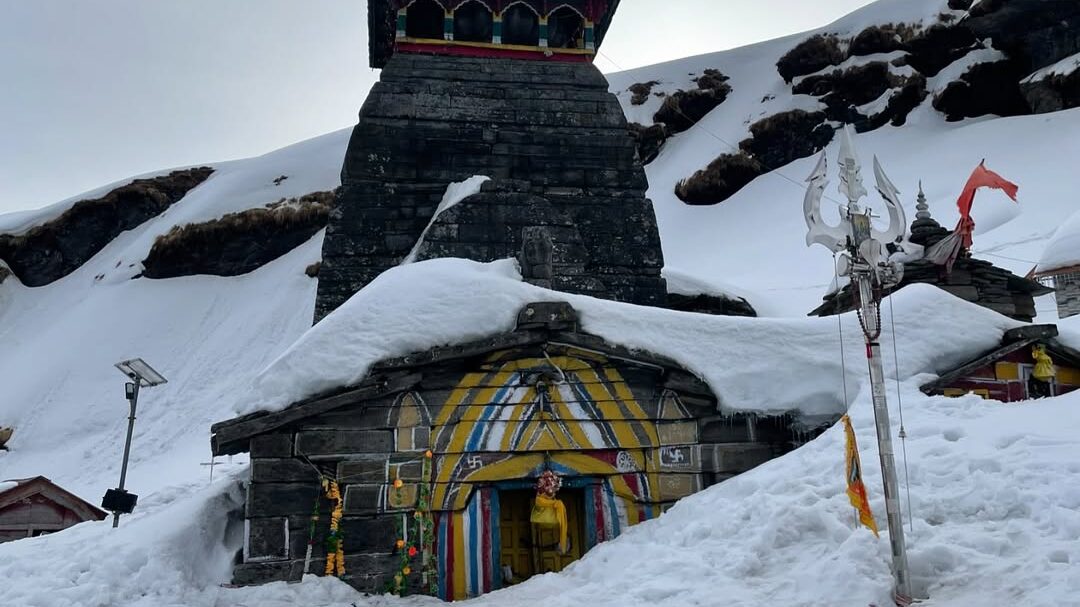
During winter, road conditions to Chopta largely depend on snowfall intensity and weather patterns. From December onwards, roads from Ukhimath to Chopta usually remain open, but light snowfall can make them slippery, especially during early mornings and late evenings. In January, heavy snowfall often leads to temporary road closures or restricted vehicle movement near Chopta due to ice accumulation.
During this peak winter period, private vehicles may struggle, and travelers are advised to rely on experienced drivers or book a Chopta tour package from Delhi, which includes safe transport arrangements. February sees gradual improvement in road accessibility as snowfall reduces, though black ice can still pose challenges on shaded stretches.
By March, most roads become motorable again as snow starts melting, making travel easier and more predictable. However, sudden weather changes are common in the Himalayas, so checking local updates before travel is essential. Overall, winter travel to Chopta is possible with proper planning, patience, and flexibility, and guided packages remain the safest option during snowy months.
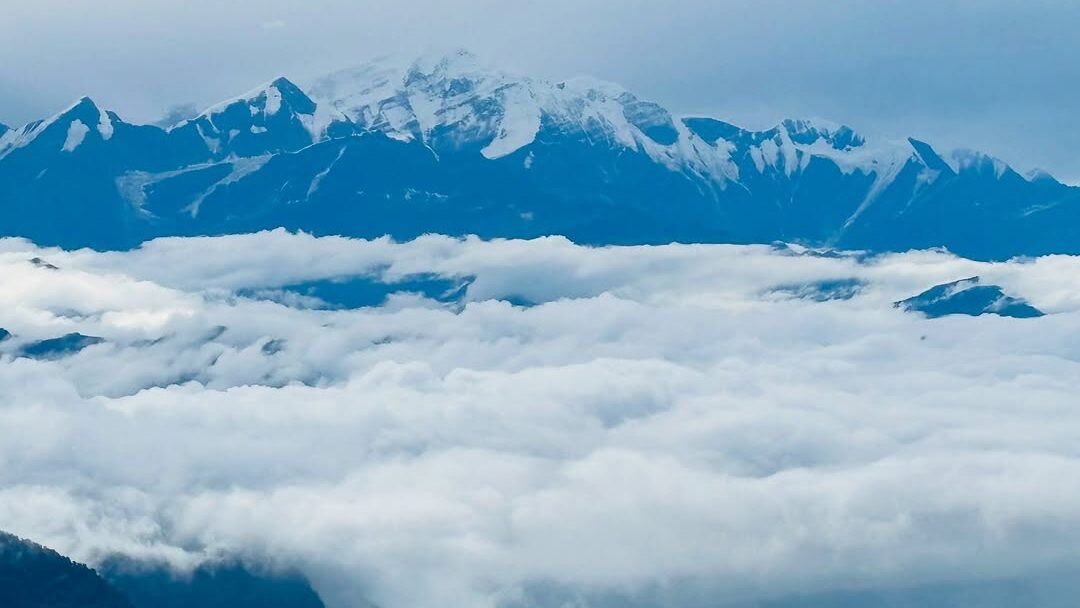
Chopta in Peak Winter: Travel Tips and Safety
- With proper preparation and safety measures, peak winter in Chopta offers a peaceful and magical Himalayan experience.
- Peak winter in Chopta occurs mainly during January and early February, with heavy snowfall and freezing temperatures.
- Carry proper winter clothing, including thermals, waterproof jackets, gloves, woolen caps, and warm socks.
- Wear sturdy trekking shoes with good grip to walk safely on snow-covered and icy trails.
- Treks like the Chopta Tungnath trek and Chandrashila summit trek can be slippery; using trekking poles and gaiters is highly recommended.
- Booking a Chopta tour package or Chopta tour package from Delhi ensures safer travel, guided treks, and reliable accommodation.
- Stay hydrated and eat warm, energy-rich meals to maintain body heat and stamina.
- Allow time for altitude acclimatization to avoid discomfort or health issues.
- Keep buffer days in your itinerary, as heavy snowfall may cause temporary road closures or travel delays.
- Always check local weather updates before starting treks or road journeys.
- With proper preparation and safety measures, peak winter in Chopta offers a peaceful and magical Himalayan experience.
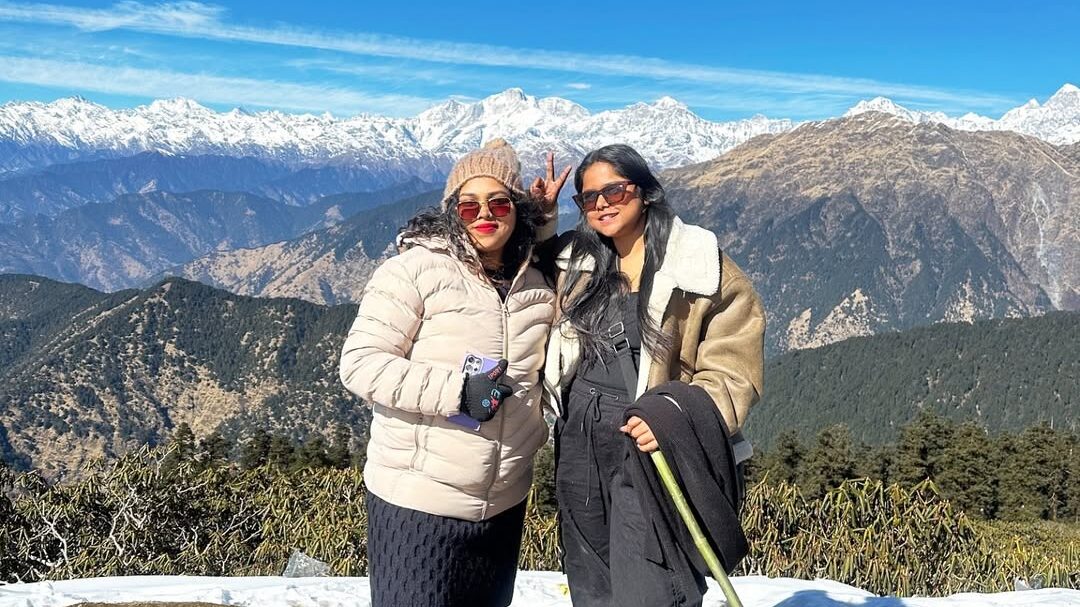
Snowfall Trends and What They Mean for Future Winters
Over the past few years, snowfall patterns in Chopta have shown noticeable variation due to changing climatic conditions. While winter snowfall continues to occur between December and March, the timing and intensity have become less predictable. Some years have witnessed heavy snowfall concentrated in January, while others experienced lighter but more frequent snow spells spread across the season.
This shift affects trekking routes such as the Chopta Tungnath trek and Chopta Chandrashila trek, influencing accessibility and safety planning. For future winters, travelers may need to rely more on short-term weather forecasts rather than fixed seasonal expectations.
Booking flexible Chopta tour packages and guided treks will become increasingly important, as local operators can adjust itineraries based on real-time conditions. Despite these variations, Chopta is expected to remain a popular winter destination due to its altitude and geography, ensuring snowfall opportunities for adventure lovers and nature seekers alike. Understanding these trends helps travelers plan smarter, safer, and more enjoyable winter journeys in the Himalayas.
Read More : Snowfall In Chopta
You Can Also Explore Other Snowy Destinations in Himachal
While Chopta offers serene snow-covered landscapes and thrilling treks, Himachal Pradesh is home to several other winter wonderlands worth exploring. Extending your trip to these destinations allows travellers to experience diverse Himalayan terrains, from bustling ski resorts to quiet, offbeat valleys. Whether you are seeking adventure, photography opportunities, or simply a peaceful snow escape, these destinations complement your Chopta journey perfectly. Planning combined trips or guided packages can make your winter travel hassle-free, safe, and unforgettable.
Other Himachal Snow Destinations You Can Explore
5. Mcleodganj & Triund Trek Package
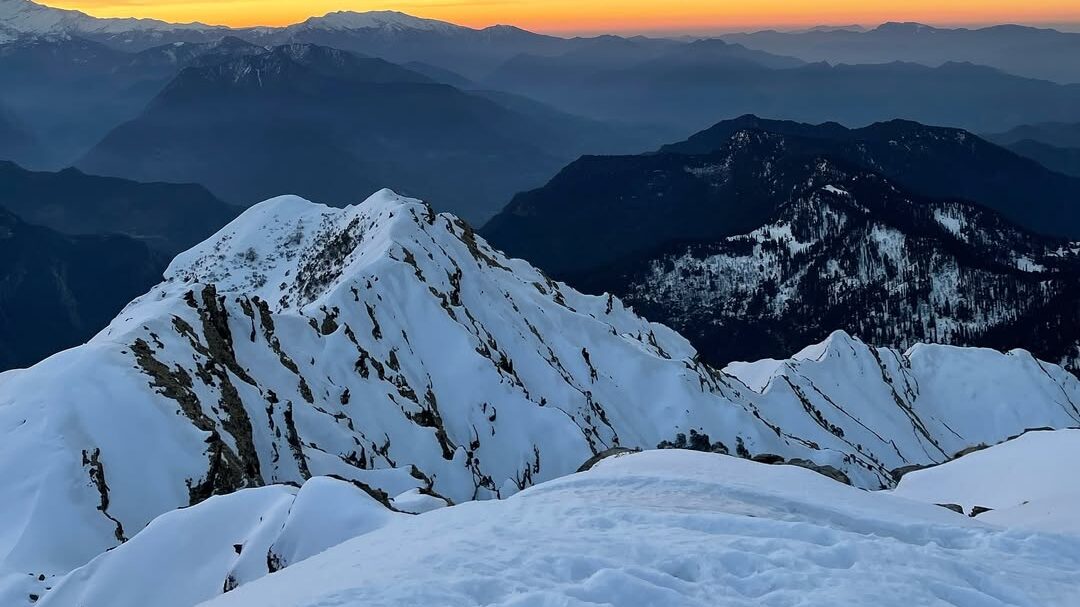
Is Chopta Worth Visiting in Winter
Chopta is absolutely worth visiting in winter for travelers seeking peace, snow-covered landscapes, and unforgettable Himalayan views. During the winter months, the region transforms into a serene wonderland, offering a unique experience that is very different from the crowded summer season.
Treks like the Chopta Tungnath trek, Tungnath Temple trek, and Chandrashila summit trek become more adventurous and visually stunning under a blanket of snow.
While winter travel requires careful planning due to cold temperatures and occasional road closures, booking a reliable Chopta tour package or Chopta tour package from Delhi ensures comfort, safety, and expert guidance. For those who enjoy snow trekking, photography, spiritual experiences, or simply quiet moments in nature, winter in Chopta delivers unmatched beauty and tranquility. With the right preparation and flexible itinerary, a winter trip to Chopta can be both rewarding and truly memorable.
Know More : Snowfall in December
Not sure when to go or which trek suits you best? Let us help you plan the perfect winter trip to Chopta as well as winter destination also like Manali and Auli . If you wanted to extend and enjoy adventure activities in Chopta you can add Auli In Chopta Tour Package .
👉 Book Your Chopta Auli Tour Package Now
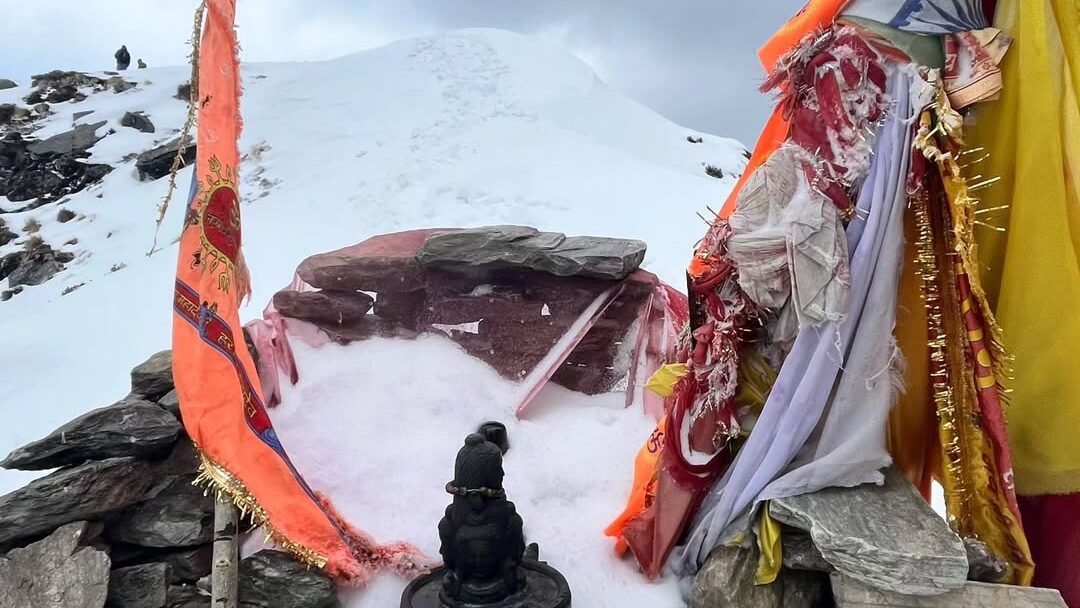
Frequently Asked Questions (FAQs) – Chopta Winter Travel
1. Does Chopta receive snowfall every year?
Yes, Chopta usually receives snowfall every year between December and February. However, the intensity and duration of snowfall can vary depending on weather conditions.
2. Which month is best to see snowfall in Chopta?
January is the best month to experience heavy snowfall in Chopta, followed by February. December offers lighter snowfall and easier accessibility.
3. Is the Chopta Tungnath trek open in winter?
Yes, the Chopta Tungnath trek remains open in winter, but the trail is often covered in snow. Trekking with a guide or booking a Chopta tour package is recommended.
4. Can beginners do the Chopta Chandrashila trek in snow?
Beginners can attempt the Chopta Chandrashila trek in winter if they are physically fit and accompanied by experienced guides. Snow trekking adds difficulty but also enhances the experience.
5. Are roads to Chopta accessible during snowfall?
Roads to Chopta are generally accessible in December and February, but heavy snowfall in January may cause temporary closures. A Chopta tour package from Delhi ensures safer travel.
6. What is the temperature in Chopta during winter?
Winter temperatures in Chopta range from 5°C to -10°C, with nights being extremely cold, especially in January.
7. Is it safe to visit Chopta in winter?
Yes, Chopta is safe to visit in winter if proper precautions are taken, including warm clothing, weather checks, and guided travel.
8. What should I pack for a winter trip to Chopta?
Pack thermals, waterproof jackets, gloves, woolen caps, trekking shoes with good grip, and basic medicines for cold and altitude.
9. Is Tungnath Temple open during winter?
Tungnath Temple usually closes during peak winter due to heavy snowfall, but the Tungnath Temple trek can still be attempted up to a safe point depending on conditions.
10. Is Chopta worth visiting in winter?
Absolutely. Chopta in winter offers snow-covered landscapes, peaceful surroundings, and unforgettable trekking experiences, making it ideal for nature lovers and adventure seekers.